




Current News
by tim
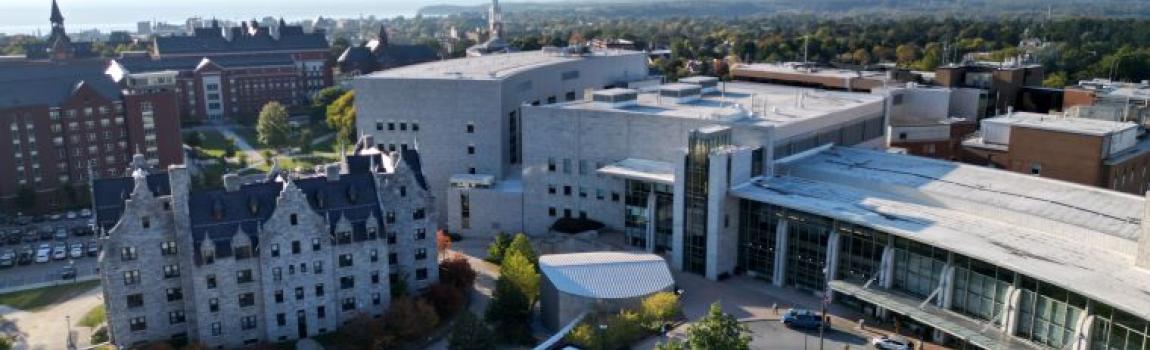
Vermont Business Magazine The University of Vermont has been ranked among the top 10 schools in the country that are preparing students to land good jobs after graduation and without the burden of excessive loans. UVM ranks ninth out of 1,182 schools, and is the only Vermont college or university ranked in the top 25, in the 2016 outcomes-based Educate to Career (ETC) College Rankings Index. The index is prepared by the California-based nonprofit organization Educate to Career Inc. According to the nonprofit, the index uses a set of metrics to determine the economic value added by each school in the ranking pertaining to the “employability of graduates measured against the total cost of education.”
by tim
Vermont Business Magazine In celebration of World Vegetarian Day and Vegetarian Awareness Month, OpenTable, the world's leading provider of online restaurant reservations and part of The Priceline Group (NASDAQ: PCLN), has unveiled the 52 Best Restaurants for Vegetarians in America, including Burlington restaurant A Single Pebble. These awards reflect the combined opinions of more than 5 million restaurant reviews submitted by verified OpenTable diners for more than 20,000 restaurants in all 50 states and the District of Columbia.
by tim
Vermont Business Magazine The University of Vermont Medical Center is again being counted as a top performer among leading academic medical centers participating in the 2015 University HealthSystem Consortium (UHC) Quality and Accountability Study, nationally recognized as the most important analysis of its kind. UHC is an alliance of nearly all of the 120 academic medical centers in the United States. Excellent results in patient safety, low rates of complications and readmissions, and overall efficiency of care contributed to the high rankings. The hospital also improved on its own quality scores from the previous year.
Highlights
by tim
Vermont Business Magazine The Northeast Organic Farming Association of Vermont (NOFA Vermont) has been awarded a three-year $247,000 grant from USDA's Food and Nutrition Service (FNS). With this funding from the Supplemental Nutrition Assistance Program (SNAP) Farmers Market Support Grants, NOFA-VT will work to increase SNAP accessibility and participation at Vermont’s farmers markets, and to support the establishment, expansion, and promotion of SNAP services, known in Vermont as 3SquaresVT, at farmers markets.
“This grant will expand NOFA-VT’s capacity to support limited-income Vermonters to access organic and local foods at farmers markets while strengthening the economic viability of Vermont’s farms,” said NOFA-VT’s Erin Buckwalter, manager of programs to support direct markets and increase community food access at the organization.
by tim
by Timothy McQuiston Vermont Business Magazine All three of the major tax funds improved last month. While only the General Fund is now ahead of its year-to-date target, the Transportation and Education made up for losses in recent months by getting back nearly to economists' expectations. Importantly, the vital Personal Income Tax, the single largest line item, showed strength after languishing during the summer and is nearly on target for the fiscal year. The Education and Transportation funds were helped by an increase in the Motor Vehicle sales and use tax (up 21.67 percent), which, like the PI, had underperformed since the start of the fiscal year July 1. September is the third month of FY 2016 and the end of the 1st Quarter. The fiscal year revenue targets were adopted by the Vermont Emergency Board on July 27, 2015.
by tim
Vermont Business Magazine A new statewide phone line to support families with young children has been announced by the United Ways of Vermont. Parents and caregivers can now dial 2-1-1 to be connected with trained Help Me Grow child development specialists who can answer questions about children’s behavior and development and connect families to resources and services in their community. The project was funded by the Vermont Early Learning Challenge Grant – a federal grant that supports collaborative systems reform in early childhood across the Agency of Human Services, the Agency of Education, and Building Bright Futures.
by tim
Vermont Business Magazine Vermont is ranked highest in the nation for econmopic "opportunity," which it has been every year. The fifth annual US Opportunity Index shows that access to opportunity has increased nearly 9 percent nationally since 2011, reflecting a dramatically improved post-recession employment picture, higher high school graduation rates and a significant drop in violent crime, among other factors. Despite these gains, increasing poverty and income inequality combined with stagnant wages continue to impede progress for middle and lower income communities.
As with many other states, while employment is up and crime is down since the Great Recession, median household income and the poverty rate are both worse in Vermont. Typical of measures based on outcomes, states in the Northeast generally did well (see list below) and those in the Southeast did poorly.
by tim
Vermont Business Magazine The City of Winooski today announced that it will add free, 15 minute spots to its downtown parking corridor. The move is intended to make it easier for visitors to downtown to complete a quick errand without having to pay for a full hour of parking. These new spots complete an overall parking plan for the City that includes paid parking in the city garage and on-street in the downtown area. The plan is designed to keep people from holding parking spots for long periods, deterring others from coming downtown to shop, dine, and do errands. Parking is just one component of Winooski’s modern, multi-modal transportation plan.
by tim
Vermont Business Magazine Vermont, New Hampshire and Montana are the only states in the US to achieve a perfect score in a national ranking of palliative care. America's Care of Serious Illness: 2015 State-by-State Report Card on Access to Palliative Care in Our Nation's Hospitals, recently released on Capitol Hill and in the Journal of Palliativ
by tim
Vermont Business Magazine Blue Cross Blue Shield of Vermont (BCBSVT) announces that its members may now enroll in electronic delivery of explanation of benefits documents. BCBSVT is committed to reducing the amount of paper we use to administer our benefits plans. In past years, we’ve greatly reduced the amount of hardcopy benefits materials we send out, which reduces overall administrative costs for our members. We’re excited to announce that our members may now elect to receive their Explanation of Benefits (EOB) documents online through our secure member resource center.
by tim
Vermont Business Magazine Women receive fewer aggressive treatments after a heart attack than men, a pattern that emerges even as a greater percentage of women than men die or become disabled due to heart attacks, according to a new study. The new report by the Blue Cross Blue Shield Association (BCBSA) and Blue Health Intelligence (BHI) shows that following a heart attack, women are 27 percent less likely than men to receive angioplasties to open clogged arteries. The same data shows that women are 38 percent less likely than men to undergo coronary bypass surgery and nearly 5 percent less likely to receive coronary angiography, a diagnostic procedure that involves an X-ray examination of blood vessels. The analysis is based on independent Blue Cross and Blue Shield (BCBS) companies' 2014 claims data and reflects care provided to 43 million BCBS commercially insured members ages 18 through 64.
by tim
Vermont Business Magazine The road to recovery is about to get a little easier in Addison County with a free shuttle service now offered to people seeking treatment for substance use challenges. This service, offered by Burlington Labs, addresses one of the major hurdles for people who live in rural areas: lack of transportation. The “Recovery Rides” pilot program is a direct result of discussions coming out of the Governor’s Opiate Forum and the Addison County Opiate Treatment Committee, which brings community members together to develop the services needed to treat addiction. These community groups clearly indicated that as treatment services expand, transportation was needed to ensure those who can’t drive and don’t live near a bus route can get to the services they need to gain healthier lives.