




Current News
by tim
Governor Peter Shumlin today announced that Steven Costantino, former Secretary of Rhode Island’s Executive Office of Health and Human Services, has been appointed as the new Commissioner of the Department of Vermont Health Access (DVHA). Current DVHA Commissioner Mark Larson announced in January that he would step down in March.
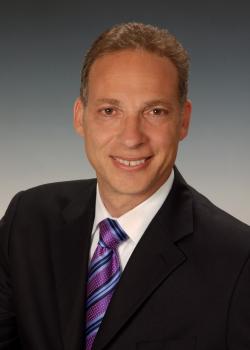 “We’re excited to welcome Steven to the team and to Vermont,” Shumlin said. “I have known Steven since our days serving in our respective state legislatures and understand him to be a dynamic, hands-on leader. His experience in both the executive and legislative branches of government will serve him and Vermonters well in this position.”
by tim
Governor Peter Shumlin’s plan to address the Medicaid cost shift could save Vermont schools nearly $3 million per year, he said, helping to reduce the burden of property taxes for Vermonters. The plan could also save municipal governments around the state up to $900,000 per year.
“Schools and municipalities spend a lot of money to insure their employees,” Shumlin said. “Under our plan, they will be asked to pay a small payroll tax but will see that amount and more returned to them in reduced private insurance costs. That will save schools and municipalities money, helping to ease the burden of rising property taxes on Vermonters and allowing municipal governments to use money they would have spent on health care costs to make their cities and towns even better.”
by tim
Vermont leads New England through lending targeted to aid startups, add jobs, and prioritize minority access to capital. Bakers, shopkeepers, plumbers, and welders are just a few of Vermont’s newest entrepreneurs. Statewide, these locally-owned businesses are charting new ground in the retail and service sectors with the help of Community Capital of Vermont, located in Barre. Out of 24 microloan intermediaries throughout New England, Community Capital of Vermont provided the most Small Business Administration (SBA) microloans in 2014.
The faces of Vermont’s newest entrepreneurs reflect the character of Vermont: authentic, service-oriented, invested in community, and innovative. Recent trends include dining, wellness, and the production and sale of Vermont specialty foods.
“With these loans we are creating new investment in downtowns, the working landscape, and Vermont-made products,” noted Martin Hahn, Community Capital Executive Director.
by tim
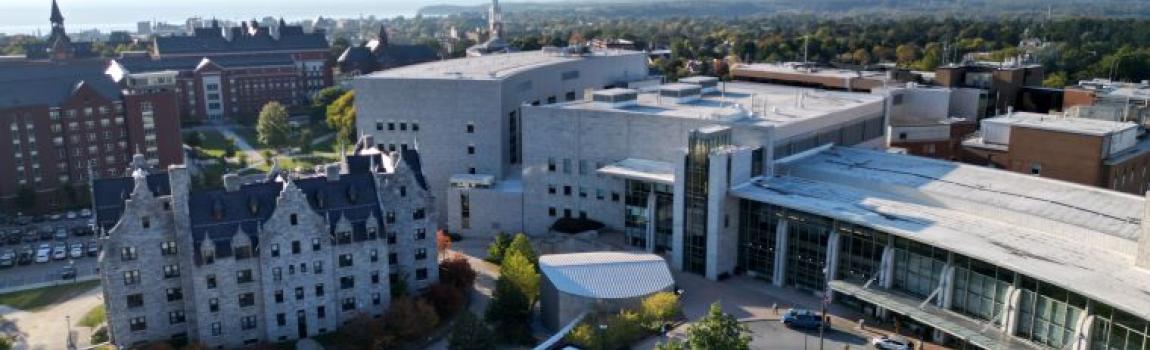
The University of Vermont has received 25,146 applications for fall 2015, an all-time high. The university received applications from all 50 states and from 85 countries. The university set application records both in its traditional markets of New England, New York and New Jersey and in states like Florida and North Carolina, beyond its historic recruiting area. It also held steady in western states like California, Texas and Washington that have seen record gains in recent years.
“While our reach continues to be strong in Vermont and the northeast,” said Beth Wiser, director of admissions at UVM, “students from across the US and the world are putting UVM on their list of schools to consider.”
The record numbers speak to the appeal of UVM’s model of emphasizing undergraduate education within the setting of a research university, Wiser said.
by tim
Home prices in Vermont have been fairly stagnant over the last year. For most Vermonters, this is not a surprising result. According to a national reporting firm, Vermont home prices rose 2.1 percent in 2014 when not including distressed sales. The national average is 4.9 percent. When distressed sales are included, Vermont was next to last in the US with a negative 0.9 percent (US average plus 5.0 percent). Vermont saw fewer bad mortgages than most other states during the Great Recession, but has been slower coming out of the downturn.
by tim
Lieutenant Governor Phil Scott, the Rutland Region Chamber of Commerce and the Rutland Economic Development Corporation are hosting the “Rutland Economy Pitch” on Monday February 9, 2015. Rutland area legislators and members of the public have been invited to attend the Economy Pitch at the Heritage Credit Union in order to hear representatives from the region’s business community make short, five-minute pitches about the economy from their perspective. The “Rutland Economy Pitch” comes one month after the “Vermont Economy Pitch – Priority #1 on Day One.” A number of the ideas presented at that pitch have already been turned into bills, and more are in the process of being drafted into legislation.
DATE: Monday, February 9
TIME: 4:00 – 6:00 PM
PLACE: Heritage Credit Union (RHOC building), 30 Allen Street, Rutland
Participants
by tim
The Vermont Community Loan Fund (VCLF) loaned $1,127,200 in the 4th quarter of 2014 to Vermont's small businesses, community facilities, affordable housing developments and child care programs, helping bolster Vermont’s economy and leading to the creation and preservation of jobs, high-quality early care & education, affordable homes and essential services for hundreds of Vermonters.
“We’re proud to have concluded 2014 with another strong lending quarter, and prouder still for the important social impacts these loans have had throughout the state,” said VCLF Executive Director Will Belongia.
Projects financed include:
Bristol Family Center, Bristol
by tim
On Monday, February 9, the White House will honor eight Americans for their extraordinary work to enhance climate education and literacy across the country — and UVM student Gina Fiorile is one of them.Fiorile is the only student. The eight “Champions of Change for Climate Education and Literacy” have been chosen, the White House says, for “inspiring students, educators, and citizens to learn about climate change and to develop and implement solutions.” Awardees include high school and middle school teachers, university professors, non-profit and national park workers.
by tim
by Governor Peter Shumlin In my years of public service, I have never heard a clearer message from Vermonters than the one they sent this past November on school spending and property taxes. This issue goes right to the heart of affordability and economic opportunity in Vermont because when property taxes rise, wages don’t and Vermonters have less money in their pockets. It’s a problem that has been generations in the making, and digging out of the mess we’re in will take time. But we must start now.
by tim
The Griffin Report recently announced Nicole Junas Ravlin, Co-Founder and Partner, People Making Good™ PR will be inducted as a 2015 “Women of Influence in the Food Industry” in the publication’s tenth annual edition of the list. This prestigious tribute honors women nominated by their peers for their highly visible contributions to the food industry, their professionalism and the awareness they have generated for the potential of other women in the food industry.
by tim
With public safety at the top of the list of concerns if the state were to legalize marijuana, Vermont Department of Public Safety Commissioner Keith Flynn will be among a delegation to travel to Colorado next week to study the effects of marijuana legalization in that state. The delegation includes Chittenden County State's Attorney TJ Donovan and advocates for and against marijuana legalization in Vermont.
"Colorado was the first state to legalize marijuana, and we want to see the impacts of that law." Commissioner Flynn said. "Legalization is being discussed in Vermont and we believe that an on the ground look at how it has been implemented will give us a unique insight into the issue. It is important to learn as much as we can about the regulation, the effects on communities, and any other information that will provide policymakers with as much information as possible when considering decision points around this issue."
by tim
Vermont Business Magazine Playing to its strength, the state is counting on improving Vermont’s manufacturing industry by increasing workforce development and enhancing tax incentives, which includes linking them to the livable wage rather than the minimum wage. Matching jobs available to skills available in the workforce has been an ongoing problem in Vermont for many years, before, during and since the end of the Great Recession.
With steady job growth over the past year and hundreds of job openings throughout Vermont, but with a nearly stagnant labor force, Governor Peter Shumlin on Wednesday outlined a number of steps the state is taking to train Vermonters for those jobs, prepare young Vermonters for skilled manufacturing positions in the state, and help Vermont businesses continue to expand and grow jobs.