



Current News
by tim
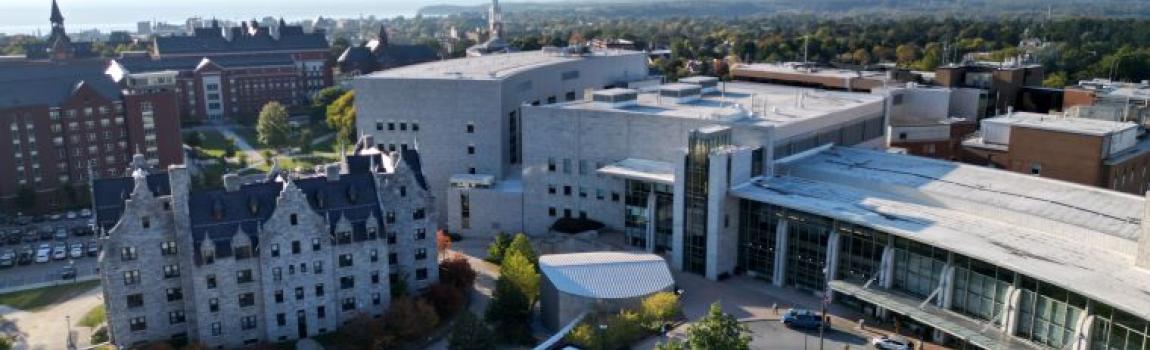
Vermont Business Magazine Linked to occupational asbestos exposure, malignant mesothelioma (MM) is an aggressive cancer arising primarily from the outer lining of the lungs with a dismal five-year survival rate of only five to 10 percent. Since 2004, only two therapies have been approved for the treatment of MM, which affects about 3,000 people a year in the United States. Now a promising new therapy for mesothelioma and metastatic cancer, arising from laboratory investigations at the University of Vermont, is about to enter a Phase I clinical trial.
by katie
Vermont Business Magazine The Vermont National Guard seeks to increase participation in the VA Airborne Hazards and Open Air Burn Pit Registry.
Any veteran who qualifies should contact the Vermont National Guard Veteran Outreach Specialist within their respective county by calling 888-607-8773.
‘“Burn-pits” are open air burn sites, most in Southwest Asia, where all manner of trash is incinerated on both large and small military bases,” said Maj. Gen. Greg Knight, Vermont adjutant general. “In an effort to increase awareness about the possible risks associated with burn pits, we worked closely with the Vermont Legislature to pass a bill that requires medical providers to educate patients on the risks, as well as to increase participation in the burn pit registry located on the VA website.”
by katie
Vermont Business Magazine The Vermont Agency of Transportation (AOT) is pleased to announce the 25th year of funding to support projects on municipal roads that improve water quality and result in maintenance cost savings. The grant funds are provided by AOT in partnership with the Vermont Agency of Natural Resources. The Vermont Better Roads Program promotes the use of erosion control and maintenance techniques that save money while protecting and enhancing water quality around the State.
by katie
Vermont Business Magazine New York’s Empire State Passengers Association and the Vermont Rail Action Network today jointly called for the swift restoration of Amtrak’s Adirondack train to Montreal along with Amtrak’s Maple Leaf train to Toronto with the November 8th reopening of the U.S.—Canadian border for vaccinated travelers.
Both trains ceased operating in March of 2020 as a result of the CoVid-related closure of the international border. Amtrak resumed operation of the Maple Leaf between New York City and Niagara Falls in July, but the Adirondack service remains fully suspended.
“While we realize there is a certain lead time required and a checklist of preparatory actions that Amtrak must take before trains can start running again, ESPA calls upon Amtrak, its host railroads and New York State to move swiftly to restore these important international travel options,” said ESPA President Gary Prophet.
by tim
Vermont Business Magazine iSun, Inc (NASDAQ: ISUN), a leading solar energy and clean mobility infrastructure company based in Williston, with 50-years of construction experience in solar, electrical and data services, today released certain preliminary operating results for the third quarter ending September 30, 2021. Third quarter revenues are estimated to be between $6.2 million and $7.2 million, gross margin between 18% and 20% and net loss between approximately $1.2 million to $1.5 million. Margins are anticipated to return to more normal pre-COVID pandemic levels as the company works through its backlog.
by tim
Vermont Business Magazine The US Environmental Protection Agency (EPA) will conduct a comprehensive review of previously completed site cleanup work at both the Pine Street Canal Site in Burlington and Commerce Street Plume Site in Williston this year. The sites, listed as National Priorities List (NPL) Superfund sites, will undergo a legally required Five-Year Review to ensure that previous remediation efforts at the sites continue to be protective of human health and the environment.
by tim
by Lori Fisher, Lake Champlain Committee Since the time of European settlement, Vermont has lost half of its wetlands in the Champlain Basin to development and agriculture, and more than a third of wetlands that existed statewide. Wetlands are known by a lot of different names – swamps, marshes, peatlands, sloughs, bogs, fens, and potholes, among others – and are a critical part of Vermont’s landscape. Wetlands comprise just 4% of Vermont’s land area, yet they serve an outsized role.
by tim
by Rob Roper In the spring of 2011, then Governor Peter Shumlin signed into law the bill that was supposed to set Vermont off leading the nation to a single payer healthcare system. The activists rejoiced, the politicians puffed their chests, the bean counters got to work. Then, in December 2014 the three-year adventure in denying reality came to an end. Shumlin was forced to admit the whole scheme was too expensive, too disruptive, and simply wouldn’t work. So, never mind! A similar scent of impending failure is beginning to seep out from the (virtual) chambers of the Vermont Climate Council.
by tim
by David Hirsch, Dartmouth College Organisms at the base of the aquatic food web may be hidden from sight, but they are just as sensitive to climate change as other plant and animal life, according to a study published in Scientific Reports. The study looked at two effects of climate change on water that researchers expect to increase in coming years: warming and “browning,” the discoloration caused by high loads of dissolved organic matter.
by tim
Vermont Business Magazine A team of Green Mountain Power (GMP) employees including line workers and mechanics left for Maine this morning, to assist Central Maine Power’s restoration effort after Tuesday’s powerful Nor’Easter knocked out power to more than 600,000 customers across New England, more than 26,000 of them in Maine. GMP and Central Maine Power are part of the North Atlantic Mutual Assistance Group, which connects utilities so they can help each other recover from storm damage.
by tim
by Vermont Secretary of State Jim Condos October is Cybersecurity Awareness Month. Over the past few weeks, I have given considerable thought to the message I want to convey to Vermonters on this important topic. The world of cybersecurity has changed significantly for election officials over the last five years. Turn back to September of 2017, when Department of Homeland Security officials confirmed what we had suspected for months: Russian cyber actors had attacked our elections in an attempt to unduly influence the outcome.
by tim
Vermont Business Magazine Today, the Vermont Women’s Fund announces the launch of This Way UP: there’s power in our numbers, a new initiative to identify and track women-owned businesses (WOB) and women leaders throughout the state. While women business owners are a strong part of Vermont’s economy, there is no conclusive data to determine how many there are, in what sectors, and what gender-specific challenges they might face such as lack of access to funding.