

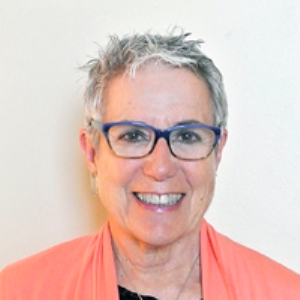
Janna Osman, MEd, Vice President for Advanced Learning at the Stern Center for Language and Learning, was part of a Vermont delegation at the World Positive Education Accelerator: 2nd Festival of Positive Education and Appreciative Inquiry Summit in Fort Worth, TX. The 4-day conference in June brought together more than 800 stakeholders from 33 countries and included educators, students, researchers, psychologists, business leaders, foundations, policy makers, and philanthropists to map out a collective action plan for cultivating strengths-based educational systems that can help each child become the best version of themselves. The summit aims to use Appreciative Inquiry to accelerate positive education from early childhood on up. Among the summit’s keynote speakers were Anthony Seldon, Vice-Chancellor of the University of Buckingham and co-founder of Action for Happiness, Angela Duckworth, author of Grit: The Power of Passion and Perseverance, and Martin Seligman, Director and founder of the Positive Psychology Center at the University of Pennsylvania.
The conference is the brainchild of Champlain College's David L. Cooperrider, whose Center for Appreciative Inquiry in the Stiller School of Business has teamed with the International Positive Education Network (IPEN) to form a leading global network dedicated to the advancement of positive education around the globe. The Summit brought together the best researchers and the best practitioners around the globe to answer this question: "How can we activate tools and create systems that lead to a flourishing society where everyone is able to fulfill their potential and achieve both success and well-being?"
Janna developed new insights that will enrich her partnerships with schools through the Cynthia K. Hoehl Institute for Excellence. Namely, she hopes to weave the A.I. principle of achieving mastery based on your own goal-setting into her collaborations with educators. Another goal of AI is to “build bridges through a positive disposition,” and this work has had measurable, positive outcomes in the social-emotional well-being of adults and children in the form of decreased depression and aggression as well as more positive coping strategies in the face of setbacks or challenges.