

Discussions focus on problems and solutions for the world’s large lakes
What’s the latest science on microplastics pollution in our lakes? What can be done to protect drinking water from harmful algae blooms? Which fish species are now safe to eat?
These questions, and many others, will be explored at the 58th International Conference on Great Lakes Research, which is drawing more than 650 scientists from around the world to the University of Vermont in Burlington, Vt., May 25-29.
SEE PROGRAM BELOW
“New Views, New Tools” is the theme for the conference, convened by the International Association for Great Lakes Research (IAGLR) and UVM. This is first time the international conference will be in Vermont. It will be held in the University of Vermont’s Davis Center.
Keynote speakers include:
Jake VanDeZanden is a professor at the Center For Limnology, University of Wisconsin. His research focuses on developing a better understanding of lake food webs that includes deep-water pathways and linkages among habitats and ecosystems. His work includes efforts to understand and predict the spread and impact of aquatic invasive species in inland waters.
• He will speak about new tools for studying Great Lakes food webs on Tuesday, May 26 at 11:15 a.m. in Ira Allen Chapel.
Maude Barlow is National Chairperson of the Council of Canadians. She has served as Senior Advisor on Water to the 63rd President of the United Nations General Assembly and was a leader in the campaign to have water recognized as a human right by the UN. She is the author of numerous books and reports; her latest book is Blue Future: Protecting Water For People And The Planet Forever.
• She will speak about the future of protecting water for people and the planet on Thursday, May 28, at 11:15 am in Ira Allen Chapel.
Arthur Cohn, Director Emeritus of the Lake Champlain Maritime Museum, will address conference delegates at the IAGLR Banquet and Awards Ceremony on Thursday, May 28, on shipwrecks and the cultural legacy of the Great Lakes.
Secretary of Vermont’s Agency of Natural Resources, Deb Markowitz (Tuesday) and Vermont Governor Peter Shumlin (Thursday) will welcome conference attendees before each keynote speaker.
Sessions of particular interest include:
Plastic pollution in the Great Lakes Ecosystem
Awareness of plastic pollution, while well-documented within the world's oceans, is just emerging as a contaminant within freshwater ecosystems. This session will focus on plastic pollution within the Great Lakes Ecosystem, including its beaches, open-waters and sediment. Researchers will discuss the development of NOAA Marine Debris Program's Action Plan for the Great Lakes region.
For more information on this session, contact:
Sherri "Sam" Mason, [email protected]
Harmful Algal Bloom (HAB) Considerations for Drinking Water Suppliers
State officials need to be prepared to handle potential cyanotoxin scenarios in drinking water supplies. This session will cover monitoring methods, risk assessment, and treatments for a drinking water facility's response to HAB emergencies.
For more information on this session, contact:
Dan Peckham, [email protected]
Holy Toledo! Nitrogen in the Great Lakes (Yes, Nitrogen): Blooms, Cyanotoxins, and Hypoxia
Phosphorous pollution has been given a great deal of attention, but the role of nitrogen in lakes has been largely ignored—despite growing scientific understanding of its role in toxic algae blooms. A focus on phosphorus control has not prevented blooms from occurring. This session will explore the role of nitrogen in causing lake eutrophication and algae troubles.
For more information on this session, contact:
Mark McCarthy, [email protected]
HABs and the 2014 Toledo Drinking Water Crisis
This session will focus on the 2014 Toledo drinking water crisis that resulted from harmful algae blooms in the western basin of Lake Erie in August 2014—and the caused a ban on drinking water to over 500,000 citizens. Topics include forecasting and monitoring of the algae blooms leading up to the crisis, responses and actions including testing and water treatment procedures, impacts and effects to the local community, press and media attention, and subsequent public, political and policy outcomes.
For more information on this session, contact:
Patrick Lawrence, [email protected]
Carol Stepien, [email protected]
Citizen Science: New Perspectives and Applications
Engaging citizen scientists to assist with data collection and foster an appreciation for science and the environment is becoming increasingly common. Yet concerns over data quality and project design can limit the use of information produced. In addition, the focus on data collection ignores the potential for citizens to make more meaningful contributions, including helping to define research questions, apply local or other expertise, and help make decisions about the issues studied. This session looks at citizen science initiatives, challenges and opportunities for use, and technologies to enable the approach.
For more information on this session, contact:
Stephen Hensler, [email protected]
When Can We Eat The Fish?
The conventional view is that many airborne toxics are slowly decreasing in the water and fish of the Great Lakes—and, therefore, existing policies are adequate. However, new tools reveal new toxics, and some analyses of “legacy contaminants” reveal ongoing trouble. This session will explore when it will be possible to safely consume Great Lakes fish at desired levels.
For more information on this session, contact:
Judith Perlinger, [email protected]
New Perspectives and Techniques for Non-native Species Risk, Monitoring and Management
Non-native aquatic species continue to have global ecological and economic impacts. With increased globalization of commerce and ever changing scenarios by which species can be introduced, scientists and managers must adapt approaches to best account for non-native species threats and impacts. This session focuses on the latest tools and techniques driving risk assessment, monitoring, and management of non-native aquatic species.
For more information on this session, contact:
Stephen Hensler, [email protected]
Meg Modley, [email protected]
Program
IAGLR 2015 offers engaging speakers, ample opportunities for networking, and 4 days of science. The schedule features 53 sessions with 560+ presentations, a Poster Social with 100+ posters, and a variety of workshops and open discussions.
Available for Download
- Abstract Book (PDF)
- Program Book (PDF)
- Monday, May 25
-
8:30 - 5
IAGLR Board Meeting
Davis Center, Williams Room
-
9 - 5
Introduction to R Workshop
Davis Center, Chittenden Room
This workshop will introduce beginners to the R statistical analysis software. It will cover the R environment, importing/exporting and organizing data, using and creating functions, graphing, and basic statistical analyses such as regression (linear and nonlinear) and ANOVA. The course is offered by the Quantitative Fisheries Center of Michigan State University’s Department of Fisheries and Wildlife. You must register separately for the workshop. Visit the QFC web site for more details and to register for the workshop.
-
3:30 - 8:30
Registration
Davis Center Entry
-
6 - 9
Welcome Mixer, Ice Cream Social
Davis Center, Sugar/Silver Maple Ballroom
- Tuesday, May 26
-
7:30 - 5
Registration
Davis Center Entry
-
8 - 11
Concurrent Sessions
Davis Center & Aiken Center
-
11:15 – 12:20
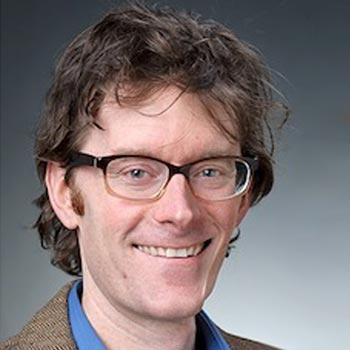
Welcome and Plenary
Ira Allen Chapel
New tools for studying Great Lakes food webs: have they led to new views?
Featuring Jake Vander Zanden
Professor, Center for Limnology, University of Wisconsin – Madison -
12:20 - 1:40
Lunch Break
Lunch on your own.
-
1:40 - 5:40
Concurrent Sessions
Davis Center & Aiken Center
-
4:40 - 6
Publishing Workshop
Davis Center, Williams Room
Have you ever wondered what steps are needed to get your paper published or how to shorten the time to publication? Maybe you want to learn how being a reviewer provides insights into what makes a good paper, or how to avoid the most common mistakes made when submitting a paper. If getting published is important to you, please plan to attend the Journal of Great Lakes Research Publishing Workshop, open to all conference participants.
-
6 - 9
Poster Social
Davis Center, Mansfield Room and Olin Atrium
-
7 - 8
Lake Ontario CSMI Planning Meeting
Davis Center, Boulder Room
This informal meeting will bring together researchers who actively participated in the 2013 field season on various aspects of Lake Ontario ecology. Since most of the Lake Ontario researchers will be attending IAGLR, it provides an excellent opportunity for colleagues from Canada and the U.S. to assess progress of 2013 projects as well as make future plans. Interested persons not part of the regular CSMI group may contact Mohi Munawar if they wish to attend due to shortage of space.
-
8 - 11:30
Afterparty
Davis Center, Brennan's Pub
- Wednesday, May 27
-
7:30 - 5
Registration
Davis Center Entry
-
8 - 12
Concurrent Sessions
Davis Center & Aiken Center
-
12 - 1:20
IAGLR Business Lunch
Davis Center, Sugar/Silver Maple Ballroom
Enjoy a family-style lunch of roast chicken, brown rice and black bean salad.
-
1 - 3:20
Concurrent Sessions
Davis Center & Aiken Center
-
3:30 - 5
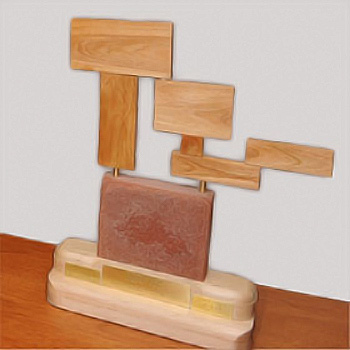
IAGLR Hockey Game
Come out and cheer as Team Canada and Team USA face off in the 7th IAGLR Defy Cup Challenge to raise funds for the IAGLR Scholarship.
-
3:40 - 5:40
IJC Workshop
Davis Center, Mildred Livak Room
The Lake Champlain and Richelieu River Technical Working Group invites IAGLR 2015 participants to attend a workshop to review the work of the LCRRTWG and provide guidance for the project based on their experience and knowledge of successful techniques and approaches for such a task. (see more)
-
6 - 9
IAGLR Barbecue
We'll have buses leaving campus 5:30 - 5:45; leaving ECHO back to campus from 8:30 every 15 min to 9:15.
-
8:30
Graduate Student Mixer
- Thursday, May 28
-
7:30 - 5
Registration
Davis Center Entry
-
8 - 11
Concurrent Sessions
Davis Center & Aiken Center
-
11:15 – 12:20
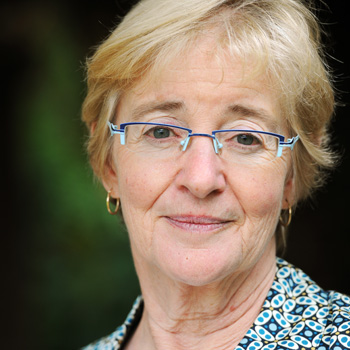
Plenary
Ira Allen Chapel
Blue Future: Protecting Water for People and the Planet Forever
Featuring Maude Barlow
National Chairperson of the Council of Canadians -
12:20 - 1:40
Lunch Break
Lunch on your own.
-
1:30 - 4
Microplastics Discussion
Aiken Center, Room 202
This interactive breakout session follows the session Plastic Pollution in the Great Lakes and offers a forum for members of Great Lakes microplastics research community to convene, work on and discuss the development of NOAA Marine Debris Program's Action Plan for the Great Lakes region. The discussions will be focused on currently identified actions already underway. This open forum is intended to provide exposure of the community plan and new participants are encouraged to partake.
-
1:40 - 5:40
Concurrent Sessions
Davis Center & Aiken Center
-
4:40 - 6
Citizen Science Discussion
Aiken Center, Room 112
Join in on the conversation following the session Citizen Science: New Perspectives and Applications to share ideas on the challenges and opportunities for citizen science activities to reach their full potential in research, decision making, and policy. Whether from a natural science, social science, technology, or communications and outreach background, all perspectives are welcome.
-
4:40 - 6
Editors' Reception
Aiken Center Solarium
Each year the Journal of Great Lakes Research is supported by a group of dedicated associate editors and the ongoing efforts of the IAGLR Publication Committee. We want to take this time to thank you for your efforts and get your feedback on how the journal is doing and what we can do better. If you're one of these hard working folks, please join us on for the Editors' Reception.
-
4:40 - 6:10
VEMCO Chat Session
Davis Center, Williams Room
VEMCO, makers of acoustic telemetry equipment used throughout the Great Lakes, will host a discussion to talk with users about their ideas for new advances in the technology, and to inform users of what's coming up for new technology.
-
5-6
Social Science Discussion
Aiken Center, Room 103
This year at IAGLR several sessions present research from social science research frameworks, including the management aspects of restoration. For anyone researching from the social sciences, or anyone interested in the exciting research about complex social ecological systems, please join us for a networking session. We plan a round of introductions, and hope to identify some shared research interests that might lead to new opportunities for collaboration. Please join us!
-
6 - 9
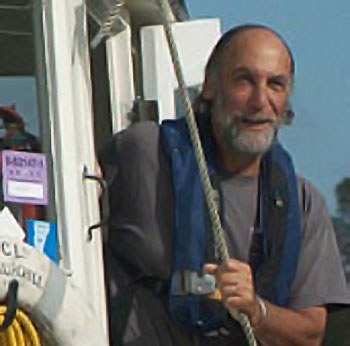
Banquet & Awards Ceremony
Davis Center, Sugar/Maple Ballrooms and Frank/Mildred Livak Rooms
The Cultural Legacy of the Great Lakes: History and Shipwrecks Under Threat
Featuring guest speaker Arthur B. Cohn
Director Emeritus, Lake Champlain Maritime MuseumAn annual tradition, the awards banquet provides an excellent opportunity to learn more about the people who make IAGLR and the Great Lakes great. Full dinner provided. Participants must register for this event
- Friday, May 29
-
7:30 - 1
Registration
Davis Center Entry
-
8 - 12:20
Concurrent Sessions
Davis Center & Aiken Center
-
12:20 - 1:40
Lunch Break
Lunch on your own.
-
1:40 - 4
Concurrent Sessions
Davis Center & Aiken Center
Source: UVM
United States