

Submitted by tim
on

New COVID-19 Database
 A team of researchers led by UVM's Dr. David Krag have started a comprehensive data base of peer-reviewed published COVID-19 articles. The researchers cull through the vast volume of published articles, selecting original research, categorizing and summarizing the articles to make them more accessible to the public and health stakeholders. Released today, the project and website is a work in progress but contains almost 200 articles. See YouTube video with more details here.
Food insecurity survey
An online survey measuring food insecurity in Vermont during the beginning of the COVID-19 pandemic found that food insecurity was more common among people of color (49.0% compared to 25.2% white). The survey also found that respondents experiencing food insecurity were more likely to be female, live in households with children, and live in larger households.
An online survey measuring food insecurity in Vermont during the beginning of the COVID-19 pandemic found that food insecurity was more common among people of color (49.0% compared to 25.2% white). The survey also found that respondents experiencing food insecurity were more likely to be female, live in households with children, and live in larger households.
Social Distancing Business restrictions effective
Published on-line April 17 by a group of UVM researchers, this study examines the impact of state-level government actions on the spread of COVID-19. The researchers find heterogeneity in the reported number of COVID-19 cases over time across US states. After the state government actions were implemented, they find that doubling time most strongly correlated to restrictions on businesses, and particularly restaurants. Much more research is needed, they caution.
Published on-line April 17 by a group of UVM researchers, this study examines the impact of state-level government actions on the spread of COVID-19. The researchers find heterogeneity in the reported number of COVID-19 cases over time across US states. After the state government actions were implemented, they find that doubling time most strongly correlated to restrictions on businesses, and particularly restaurants. Much more research is needed, they caution.
Vermont among top 'pro-women' states
 A recent study ranks Vermont as one of the most pro-women states in the nation. The study ranked states using a range of variables that directly impact women, including the number of abortion clinics, domestic violence incidents, life expectancy for women, graduation rates, and the income/wage gap.
A recent study ranks Vermont as one of the most pro-women states in the nation. The study ranked states using a range of variables that directly impact women, including the number of abortion clinics, domestic violence incidents, life expectancy for women, graduation rates, and the income/wage gap.New State COVID-19 Modeling
New state models on predictions of COVID-19 suggest the state has flattened the curve and projects continued declines in new cases. This page provides all models past and present and links to other useful models and visual data displays. The Department of Health also continues to add new information to their pages, including a new town by town map of COVID-19 cases.
New state models on predictions of COVID-19 suggest the state has flattened the curve and projects continued declines in new cases. This page provides all models past and present and links to other useful models and visual data displays. The Department of Health also continues to add new information to their pages, including a new town by town map of COVID-19 cases.
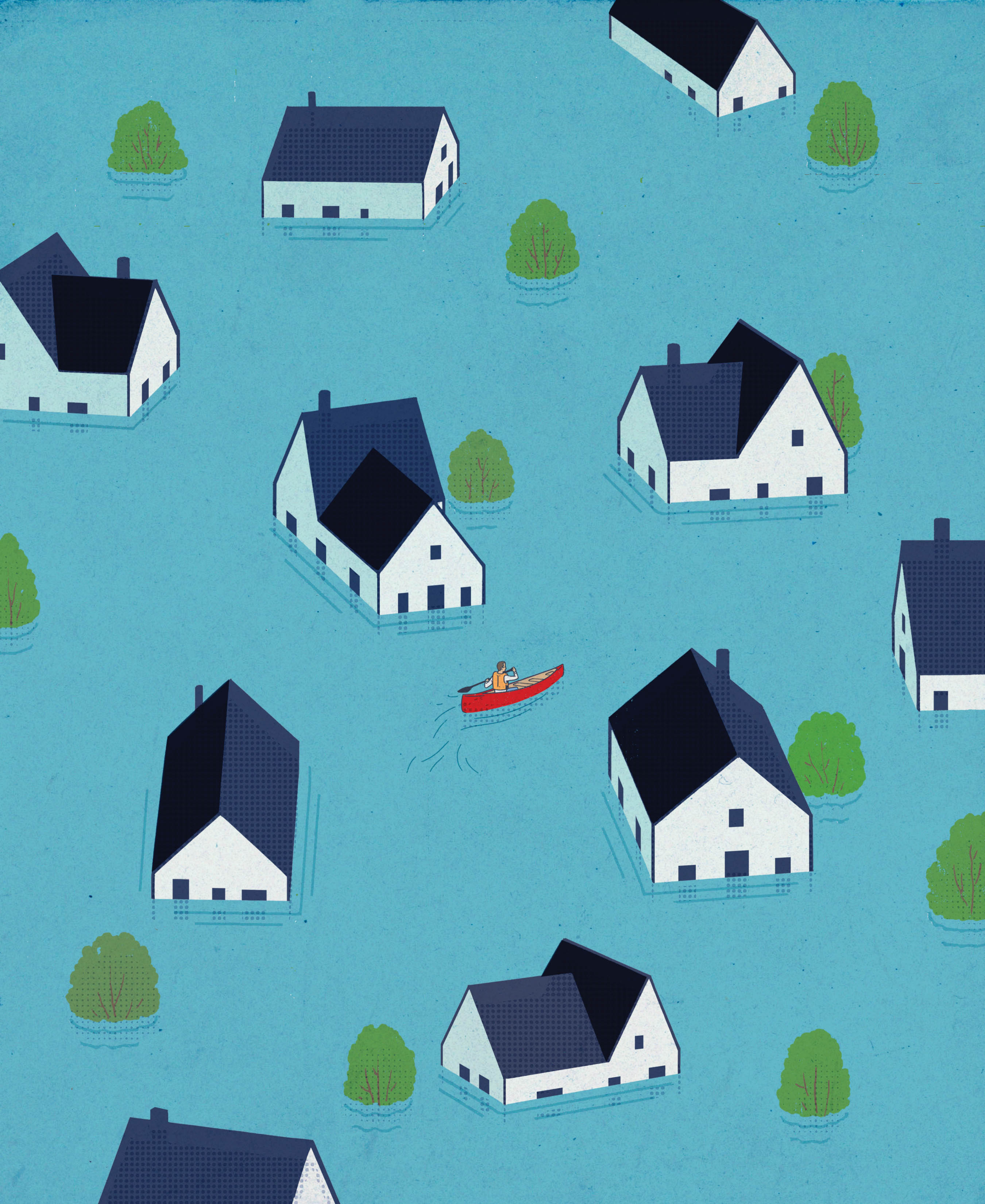 Low-income Vermonters at flood risk
Lower-income property-owners in Vermont are disproportionately exposed to flood risk, a recent study reports. Additionally, the benefits of avoided flood damages over a 100-year time period outweigh the costs of restoration by at least 5-to-1. The report presents a framework to optimize investments in floodplain restoration that maximizes the utility of avoided damages from flood inundation for a range of budgetary constraints.
Milk prices below costs – 4th year in a row
2019 was the fourth year in a row that milk prices were below the total costs of production in Vermont, according to a recent report. Dairy farms that produce milk under organic standards, which makes up 9% of Vermont’s total milk volume, have a quota on milk production by one of the buyers of organic milk in addition to decreasing prices.
2019 was the fourth year in a row that milk prices were below the total costs of production in Vermont, according to a recent report. Dairy farms that produce milk under organic standards, which makes up 9% of Vermont’s total milk volume, have a quota on milk production by one of the buyers of organic milk in addition to decreasing prices.

Mental health care access
Vermont ranks 5th in Mental Health America’s annual report for a lower prevalence of mental illness and higher rates of access to care. However, the report points out a disparity between adults and youth in the state. While the report ranks Vermont in 2nd place for youth, the adult ranking puts Vermont in 23rd place. The study places Vermont among the top five states with a higher prevalence of mental health and substance use issues among both groups (with adults being primarily affected), but some of the best access to care of any state after Massachusetts.
Vermont ranks 5th in Mental Health America’s annual report for a lower prevalence of mental illness and higher rates of access to care. However, the report points out a disparity between adults and youth in the state. While the report ranks Vermont in 2nd place for youth, the adult ranking puts Vermont in 23rd place. The study places Vermont among the top five states with a higher prevalence of mental health and substance use issues among both groups (with adults being primarily affected), but some of the best access to care of any state after Massachusetts.
Should civic education be required?
Vermont is among 11 states that have no civic education requirements, and a recent article urges schools to prioritize civics instruction for their students. Additionally, less than half (40 percent) of states require students to take a civics exam as a graduation requirement.
Vermont is among 11 states that have no civic education requirements, and a recent article urges schools to prioritize civics instruction for their students. Additionally, less than half (40 percent) of states require students to take a civics exam as a graduation requirement.

State leads in classroom assistive technology
Vermont is a nationally recognized leader in assistive technology services provided by Vermont’s Division of Vocational Rehabilitation for high school students with disabilities. In a recent study, 77% of students reported that they were better able to perform at school or work as a result of the help they received. However, some students are reluctant to use a tool that is different from those of their peers. Note this study was published before school closures forced by COVID-19.
Vermont is a nationally recognized leader in assistive technology services provided by Vermont’s Division of Vocational Rehabilitation for high school students with disabilities. In a recent study, 77% of students reported that they were better able to perform at school or work as a result of the help they received. However, some students are reluctant to use a tool that is different from those of their peers. Note this study was published before school closures forced by COVID-19.
Red Oak in Vermont
Red oak (Quercus rubra L.) is projected to expand into the northern hardwood forest over the coming century, but a recent study of Vermont Red Oak found that several pollution metrics were associated with reduced growth. While numbers of Red oak trees continue to increase around the state, environmental changes like an increase in summer temperatures or changes in precipitation could change this.
Red oak (Quercus rubra L.) is projected to expand into the northern hardwood forest over the coming century, but a recent study of Vermont Red Oak found that several pollution metrics were associated with reduced growth. While numbers of Red oak trees continue to increase around the state, environmental changes like an increase in summer temperatures or changes in precipitation could change this.
 The role of slavery in early New England
Scholar Jared Ross Hardesty writes about the history of slavery in New England in his recent book, Black Lives, Native Lands, White Worlds. Hardesty explores the importance of slavery to the colonization of New England and to agriculture and industry, New England’s deep connections to Caribbean plantation societies, and the significance of emancipation movements in the era of the American Revolution through the individual stories of enslaved people.
New Student Research
UVM’s regular student research conference went on-line this spring but there are more than 300 student papers and presentations available using an innovative and searchable on-line platform. A group of Vermont research papers are grouped together here--including examinations of undocumented workers and an ethnography of Trumpism in the state.
UVM’s regular student research conference went on-line this spring but there are more than 300 student papers and presentations available using an innovative and searchable on-line platform. A group of Vermont research papers are grouped together here--including examinations of undocumented workers and an ethnography of Trumpism in the state.
High volume granite intrusions
The Connecticut Valley–Gaspé trough represents a major, orogen‐scale Silurian–Devonian basin of the Northern Appalachians. New research highlights the reasons for the higher volume of granitic intrusions in Vermont compared with southern Quebec along the Connecticut Valley–Gaspé trough. The study concludes that the granitic intrusions were caused by the exhumation of the lower crust in this area and higher amounts of heat production within the most thickened parts of the Acadian wedge.
The Connecticut Valley–Gaspé trough represents a major, orogen‐scale Silurian–Devonian basin of the Northern Appalachians. New research highlights the reasons for the higher volume of granitic intrusions in Vermont compared with southern Quebec along the Connecticut Valley–Gaspé trough. The study concludes that the granitic intrusions were caused by the exhumation of the lower crust in this area and higher amounts of heat production within the most thickened parts of the Acadian wedge.
|
|
|

|
|

|

|
