

Vermont Sustainable Jobs FundAs Vermont increases agricultural and food production and work towards reaching the state'sFarm to Plate goalsit's vital that we're taking steps to sustainably manage the natural systems - like healthy soils and clean water - which may be impacted by agricultural activities.Dairy farms make up the largest portion of agricultural land use and certain types of production have detrimental effects on Vermont lakes, rivers, and streams.
The viability of Vermont's dairy farms as well as environmental stewardship are both distinct goals in the Farm to Plate Strategic Plan. At times, these two goals can be at odds. However, with a newWater Quality billandTMDL planfor Lake Champlain in combination with state and federal funding, renewed efforts to focus on reducing nutrient run-off into our waterways by all types of farms, and support from citizen and advocacy groups, technical assistance providers, and water quality experts, we have the opportunity over the coming decades to rebuild our soils and clean up Lake Champlain and its surrounding watershed.
Another Farm to Plate goal focuses on the effective management of nutrients which contain nitrogen, phosphorus, potassium and other soil amendments from livestock manure, synthetic fertilizer, and compost - which includes food waste - to minimize the negative impacts of nutrient losses into water bodies.
|
Environmental Impacts Goal:Decrease adverse environmental impacts from farming and food system activities
|
Dairy Viability Goal:
|
Nutrient Management Goal:
|


Visit theGetting to 2020goal pages on the Farm to Plate website to learn about progress towards reaching all of Farm to Plate's 25 goals.
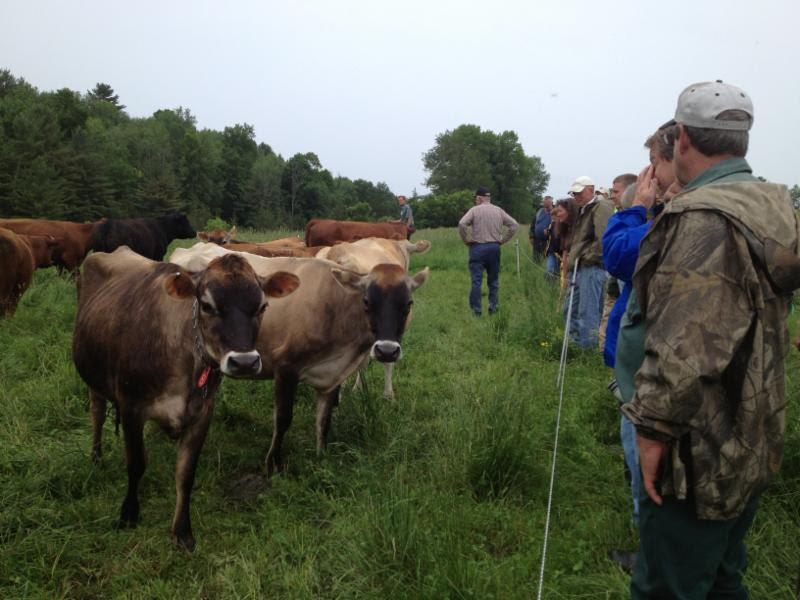
Source: Vermont Sustainable Jobs Fund. 6.10.2015.TOP PHOTO:The UVM Extension Center for Sustainable Agriculture is a partner in a recently-announcedproject to improve water quality in the Long Island Sound watershed, which includes the entire Connecticut River Valley. Photo Credit: Jenn Colby, UVM Extension Center for Sustainable Agriculture.