

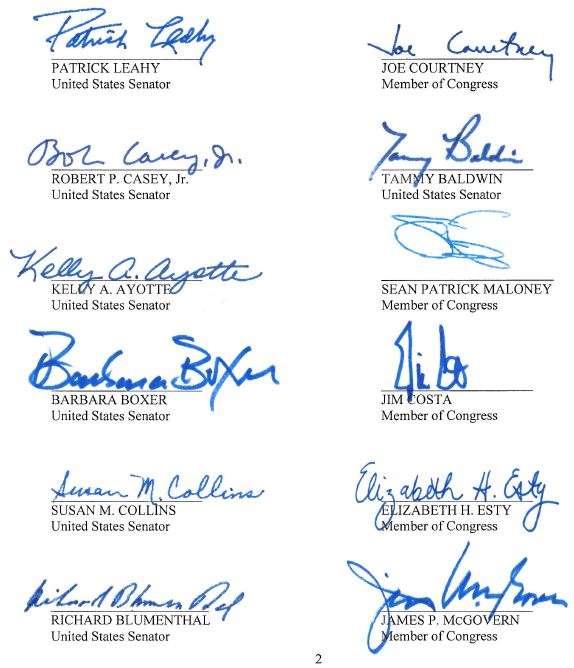
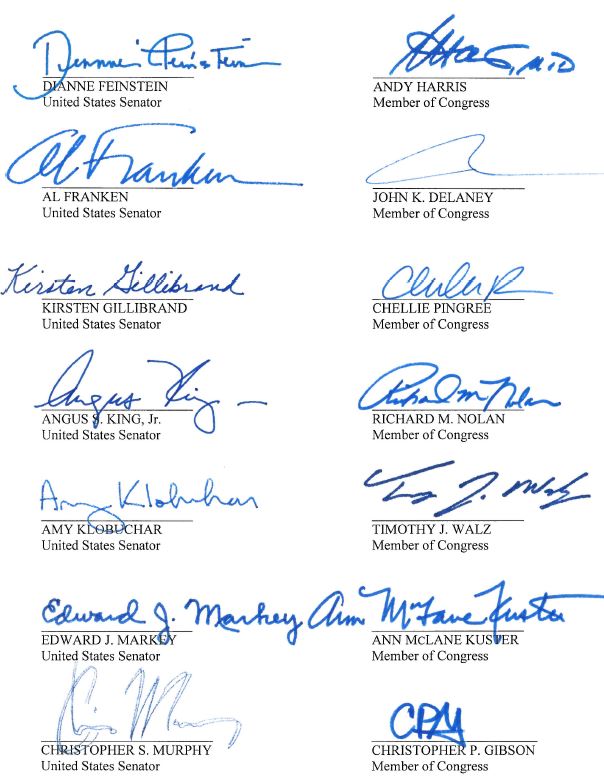
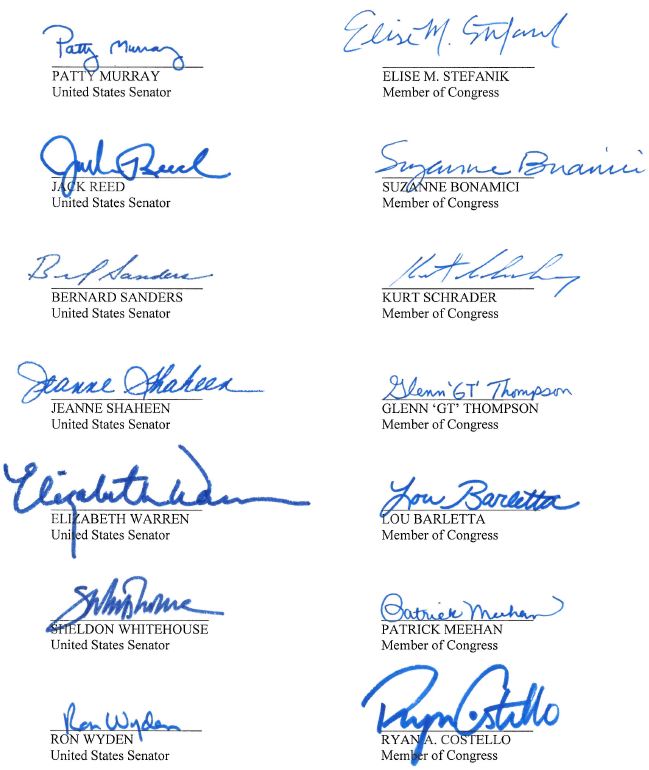
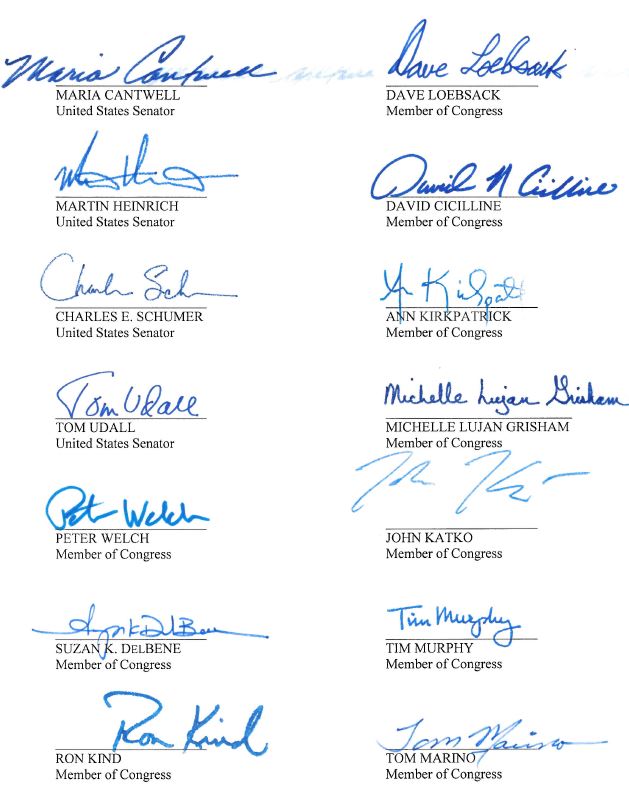
Vermont Business Magazine Senator Patrick Leahy (D-Vermont) is leading a bipartisan, bicameral coalition of 56 members of the House and Senate, including Senator Bernie Sanders (I) and Representative Peter Welch (D), urging Office of Management and Budget (OMB) Director Shaun Donovan to free up safety net funds to help dairy farmers in Vermont and across the nation who are struggling with declining milk prices. In a letter sent Thursday, Leahy and his partners request that Donovan do all he can to support Agriculture Secretary Tom Vilsack in using existing authorities to expand and maintain US domestic markets, encourage the domestic consumption of dairy products, and help dairy farmers through the ongoing financial crisis.
In the letter headed by Leahy, the coalition of lawmakers wrote: “These dairy farms make up the backbone of our rural economy, and farms both large and small act as economic drivers, providing local jobs and supporting a wide array of other businesses. The last financial crisis that hit the dairy industry in 2009 forced far too many families to go out of business and sell off their herds. Farms that had been in families for generations were driven into ruin and forced to close their doors for good. Through the support of this administration, we can hopefully prevent many farms from needing to make that same difficult decision today. We hope you will work with us to support all of our dairy farmers across the country.”
The letter follows an exchange between Leahy and Vilsack at a Senate Agriculture, Nutrition and Forestry Committee hearing in September, when Leahy shared several appeals and testimonials from Vermont dairy farmers struggling with plummeting prices. In response, Vilsack testified that the U.S. Department of Agriculture (USDA) has exhausted its resources to stave off a true dairy crisis. Leahy told Vilsack that he would appeal to OMB to provide more resources and flexibility to USDA to help struggling dairy farmers who are enduring this financial crisis.
The Agriculture Department on Tuesday announced another attempt at purchasing $20 million of cheddar cheese to reduce a private cheese surplus that has reached record levels as milk prices have plummeted. This move by USDA will also help food banks and other food assistance agencies, but is seen by many dairy farmers as a minimal investment compared to what is needed to help cope with low prices for producers, and with surplus supplies. Recent reports, according to USDA data, suggest that more than 43 million gallons of milk were dumped in fields, manure lagoons or animal feed, or have been lost on truck routes or discarded at plants in the first eight months of 2016.
October 13, 2016
The Honorable Shaun Donovan
Director
Office of Management and Budget
725 17th Street, NW
Washington, DC 20503
Dear Director Donovan:
We write today to share with you our mounting concerns about the financial crisis challenging our nation’s dairy farmers and the entire U.S. dairy industry. Dairy farmers have seen their income cut in half as farm milk prices have plunged by 40 percent since 2014. With market forecasts showing that dairy farmers will continue to face depressed prices, we ask for your help as we search for ways to swiftly assist our nation’s struggling dairy farmers.
Although consumers have not seen this extreme price dip in grocery stores, our dairy farmers have been hit extremely hard by low farm milk prices that have sharply reduced incomes. This has placed the nation’s dairy industry in a vulnerable position and threatens our states’ rural economies. A number of factors have contributed to this situation. U.S. milk production has increased almost two percent above last year’s level, while global milk production is up significantly, partly as a result of the European Union’s decision to remove its milk production quotas and the loss of its export market to Russia. Globally-depressed prices are hurting U.S. farmers, and leaving the dairy industry with few options to deal with the glut of low-price milk on global markets. All of this comes as our dairy farmers are still adjusting to the new Farm Bill, and the many changes that were made to dairy support programs.
U.S. dairy farmers are a key part of our agriculture community, agriculture economy and rural communities. In this difficult time, they need support as they face these significantly lower prices, which for many are below their actual cost of production. As this industry is reeling from low prices brought on by a flood of imports, challenges in our export markets, and poor economic growth projections, we urge you to act quickly to shield the nation’s dairy farmers from further crisis. We have asked the U.S. Department of Agriculture to take any and all actions available in order to support U.S. dairy farmers, while being cautious to not stimulate overproduction further, and we now ask you to do all you can to support the Secretary of Agriculture in this work.
These dairy farms make up the backbone of our rural economy, and farms both large and small act as economic drivers, providing local jobs and supporting a wide array of other businesses. The last financial crisis that hit the dairy industry in 2009 forced far too many families to go out of business and sell off their herds. Farms that had been in families for generations were driven into ruin and forced to close their doors for good. Through the support of this administration, we can hopefully prevent many farms from needing to make that same difficult decision today. We hope you will work with us to support all of our dairy farmers across the country.
We look forward to working closely with you and dairy stakeholders in our states in determining the best course of action to take in managing the current dairy industry financial crisis. If we have any hope for our rural economies to rebound and grow economically, we must act quickly to address the financial crisis hitting the nation’s dairy farms. Thank you for taking the time to address this important matter.
Sincerely,

Source: (THURSDAY, October 13, 2016) – Senator Patrick Leahy