


Vermont Business Magazine Today, the State of Vermont submitted its final Lake Champlain implementation plan to the Environmental Protection Agency. The comprehensive cleanup plan addresses phosphorus pollution sources across all sectors, including agricultural, developed and forested lands, as well as roads and eroding stream channels.
“The plan is the roadmap to a clean Lake,” said Governor Peter Shumlin. “It reflects an ‘all in’ approach to achieving our clean water goals.”
In June 2016 the Environmental Protection Agency released its Lake Champlain phosphorus-reduction targets for the State of Vermont. The Lake Champlain Phase 1 Implementation Plan outlines timelines and deliverables to achieve those targets.
“Our implementation strategically targets the areas that make the most impact to the Lake,” said Agency of Natural Resources Secretary Deb Markowitz.
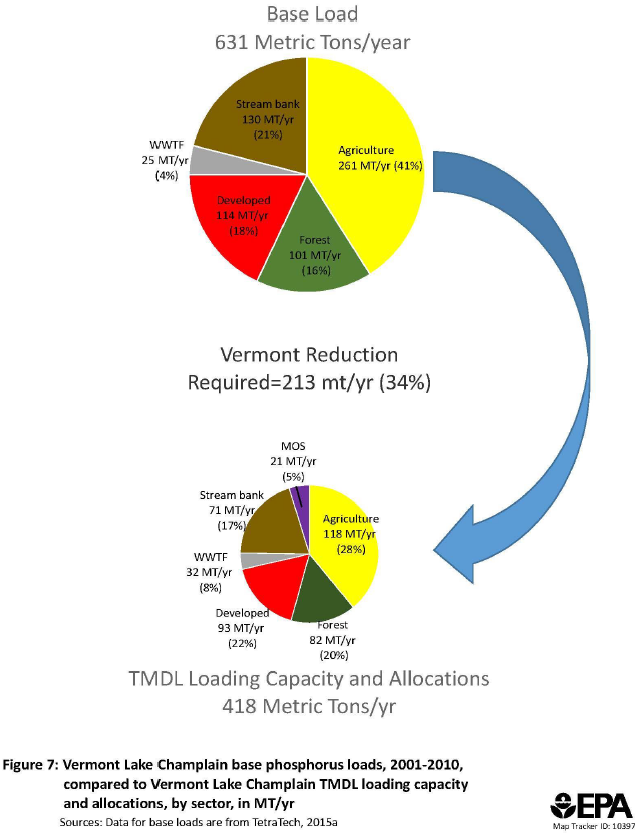 The Environmental Protection Agency’s Lake Champlain targets, or “total maximum daily load” (TMDL), and the State Phase 1 Implementation Plan follow on the heels of the Vermont Legislature’s passage of the Vermont Clean Water Act (Act 64 of 2015). The Act requires the phase-in of new permitting programs for runoff from our roads, farms, and developed areas, as well as created the Clean Water Fund to support phosphorus-reduction projects.
“The agricultural community is committed to improving water quality across Vermont,” said Agriculture Secretary Chuck Ross. “The recent release of the draft Required Agricultural Practices is a major step towards restoring Lake Champlain for future generations.” CLICK HERE FOR STORY
The Required Agricultural Practices outline the actions that must be taken on farms across the state to address Vermont’s water quality challenges. Those actions and others are built into the Phase 1 Implementation Plan. The Environmental Protection Agency looks to this plan for reasonable assurances that the target they set for the Lake will be met.
“The Vermont Transportation Agency is committed to constructing stormwater treatment projects on our State highways that reduce phosphorous going into Lake Champlain”, said Transportation Secretary Chris Cole. “We will also provide municipalities with technical assistance and grant funds so that they may deploy best management practices on local roads to meet their clean water requirements.”
The Vermont Clean Water Act requires the creation of a comprehensive highway stormwater permit program. Municipalities are also inventorying their roads and considering what stormwater projects will be needed to comply with the upcoming local roads permit. Monies from the Clean Water Fund, passed through the agencies of Agriculture, Transportation and Natural Resources will provide support as sectors work to comply with the new requirements.
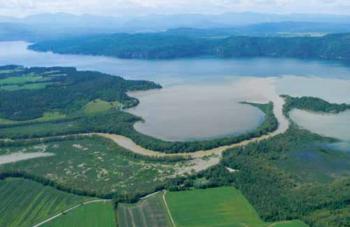 The Otter Creek empties runoff into Lake Champlain after Tropical Storm Irene in 2011. State of Vermont Photos
“Our water and working landscape are critical to our economic health. The economic benefits of a cleaner Lake Champlain and clean waterways statewide make a strong case for serious action,” states Agency Commerce and Community Development Secretary Lucy Leriche.
The State of Vermont considered comments received through September 7th in its updates to the plan. A response summary is expected October 1st.
Source: Governor Shumlin. 9.20.2016. The Phase 1 Implementation Plan and additional information on Lake Champlain’s restoration are posted at http://dec.vermont.gov/watershed/cwi/restoring. Follow the Clean Water Initiative on Facebook.