

by Gus Seelig, Executive Director, Vermont Housing & Conservation BoardLast summer, USSenator Patrick Leahy helped break ground in Brattleboro for Red Clover Commons - 55 new apartments to replace housing for seniors and persons with disabilities that was severely damaged by Tropical Storm Irene and remains in harm’s way. In the fall, Governor Peter Shumlin was in Waterbury to hand keys to Tim and Aimee Smith along with their two young sons. Mr. Smith works in Vermont’s growing energy sector and was delighted to find an affordable home at the new South Main Apartments. These developments, along with 28 new homes in Woodstock, 14 new units for seniors in a historic building in Rutland, 28 renovated apartments in the heart of Lyndonville, 23 apartments under construction in Hinesburg and 24 units planned in Bennington, have much in common. They all provide housing lower-income Vermonters can afford and all were made possible by state funding from the Vermont Housing & Conservation Board that was matched by a federal program called “HOME.”
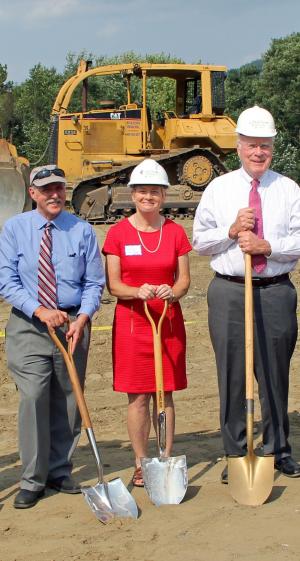 Ground breaking at Red Clover Commonsin Brattleboro, 55 new apartments for elders being developed by the Brattleboro Housing Authoirty and Housing Vermont.Left to right, Gus Seelig, Executive Director, VHCB; Chris Hart, Executive Director, Brattleboro Housing Authority; Senator Patrick Leahy. Courtesy VHCB
The recent good news of a budget compromise in Washington includes the survival of the HOME Investment Partnership Program, which was nearly eliminated. It is easy to get discouraged by the recurring impasse in D.C. and it can be difficult to follow the alphabet soup of program acronyms. But it is essential for Vermonters to understand how critical federal housing dollars are to the state’s ability to create and fund housing developments that help communities revitalize and grow. Tight rental markets are severely limiting housing availability in many parts of the state. Vermont is battling homelessness and we need to produce more homes for our workforce. Calls for more housing are getting louder and come from the business community as well as educators, advocates and others. Vermont’s ability to respond greatly depends on federal funding.
For more than 20 years, Senator Leahy has steadfastly supported HOME and the Community Development Block Grant, another program crucial to rural communities. Each year he gathers support from his fellow senators and advocates for the programs from his seat on the Senate Appropriations Committee. He also works with the U.S. Department of Housing and Urban Development to ensure these programs are well attuned to Vermont. This year the House dramatically reduced and the Senate at first acted to virtually eliminate the HOME Program. Senator Leahy and his exceptional staff led the successful fight to restore funding and save the program.
Governor Peter Shumlin joined this effort. He worked other New England Governors, Republican and Democrat alike, in urging Congress to support HOME. The Vermont Mayors Coalition also weighed in to explain how vital the program is to their communities.
Construction crews are now building 28 new affordable apartments in downtown Barre. It is unlikely the project would have moved forward without the HOME program. In Montpelier, plans are in the works to create housing in the upper floors of the French Block on Main Street. These and similar opportunities around the state will not be realized without state and federal investments, including through HOME.
Throughout his career, Senator Leahy has used his seniority, political acumen, strategic ability and alliances to champion community development and housing programs important to Vermont. The victory on HOME is likely to translate to more than $15 million in federal housing funds for Vermont over the next five years, enabling approximately 30 housing developments totaling more than 1,000 new units and creating thousands of jobs. This is great news to begin the new year. Senator Leahy deserves all our thanks for his quiet and effective work to bring HOME back to Vermonters and their communities.
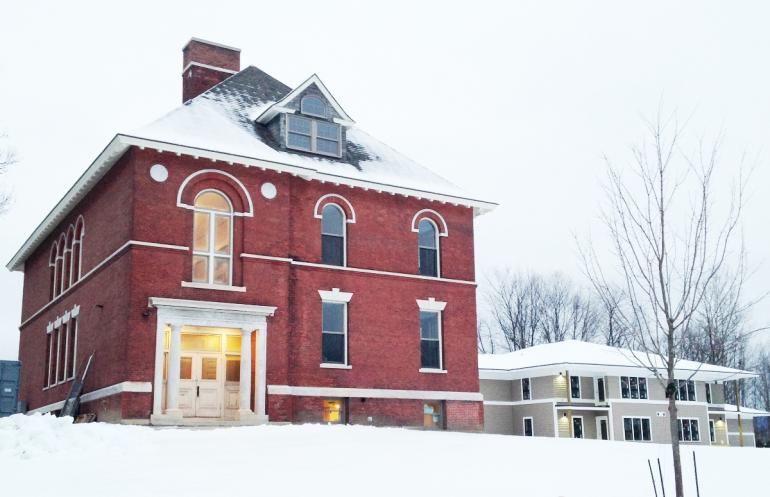 Watkins School Apartments in Rutland, developed by the Housing Trust of Rutland County, provides 14 new apartments for seniors in two buildings--an historic school house and a newly constructed addition. Photo by Laz Scangas
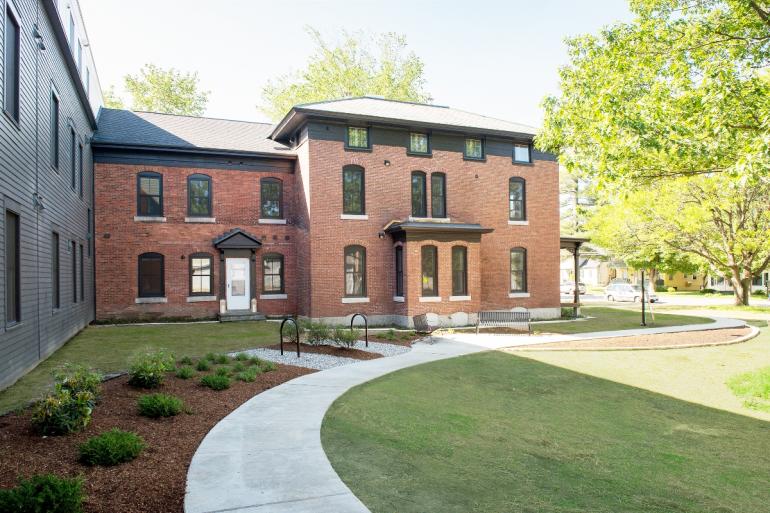 South Main Apartments in Waterbury -Downstreet Housing & Community Development and Housing Vermont completed 27 apartments in a historic building at the state office complex in Waterbury, adding a wing to Ladd Hall. Sally McCay photo
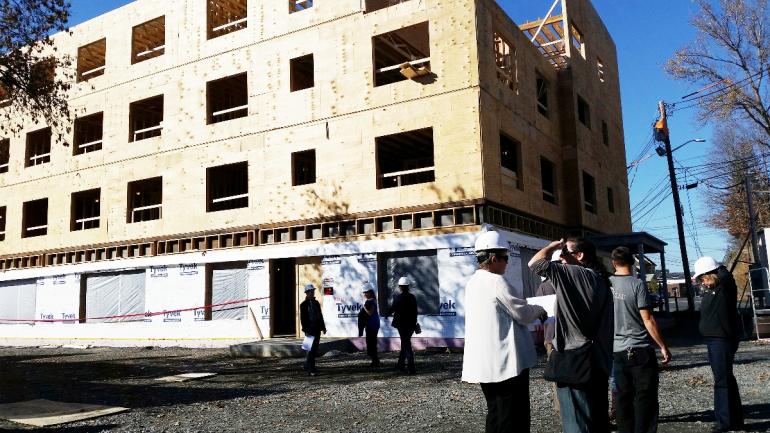 Downstreet Apartments, Barre- Well underway on Summer Street in Barre are 27 new family rentals - the development is expected to be complete this spring and will also house the offices of Downstreet Housing & Community Development. Housing Vermont joined Downstreet as co-developers.
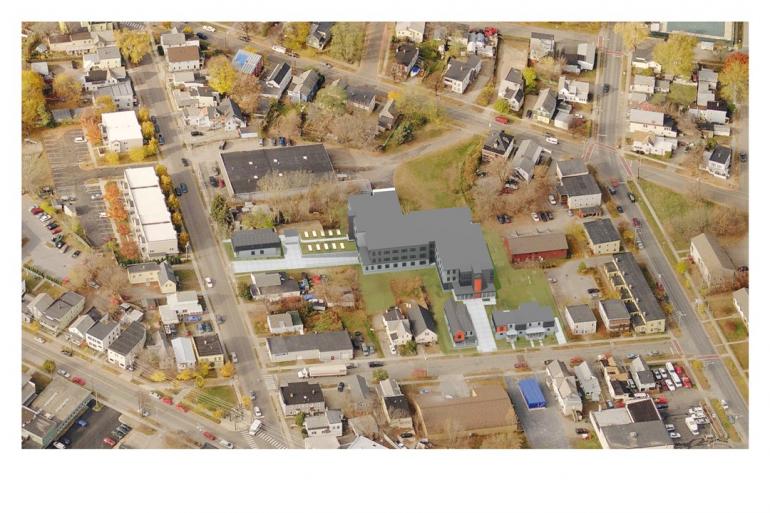 Bright Street Cooperative, Burlington(architectural rendering of the site) The Champlain Housing Trust and Housing Vermont are developing 42 new apartments in a three-story apartment building with smaller-scale townhouse-style units along the streets. Amenities will include an underground parking garage, common room, laundry, garden space and a small playground.
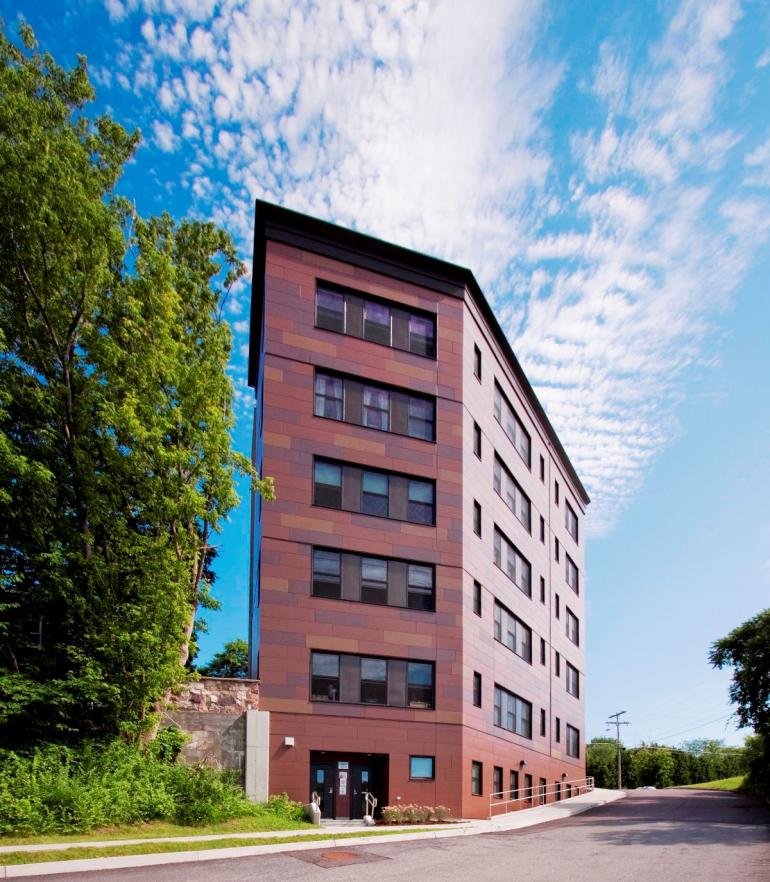 Canal Street Housing for Veterans, Winooski. The Committee on Temporary Shelter constructed a new building with 28 apartments for veterans. COTS provides a full-time, live-in residential manager and programming for residents in 16 transitional housing units and connects veterans with other service providers in the community. There are also 12 apartments of affordable, permanent housing, where veterans receive preference in placement.