Vermont Research News: Future flooding; pandemic health declines; low hospital staffing; more

Future Floods Could Cost Vermont Over $5.2B in Damages
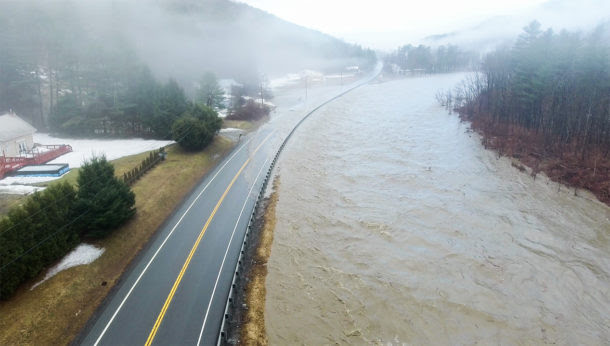
Vermont Research News A recent study found climate change induced increases in flooding around Vermont could cost more than $5.29 billion -- a 148% increase over the base case. Low-income families who reside in areas at risks for flooding, including mobile homes owners are the most at risk, researchers found. However, the state can take steps to reduce the impacts, such as floodplain restoration which can reduce costs by an estimated 20 percent.

Pandemic fuels health declines

Anxiety, depression, weight gain, substance use, chronic disease, missed medications and food insecurity are some pandemic induced health impacts amongst Vermont and Maine residents, new research finds. Amongst the key findings, those with persisting food insecurities, “were 8.8 times more likely to experience higher levels of stress, 2.6 times more likely to experience anxiety, and be diagnosed with Type 2 diabetes and hypertension.” LGBTQ+ individuals were more likely to have food insecurity and four times more likely to report anxiety or depression.

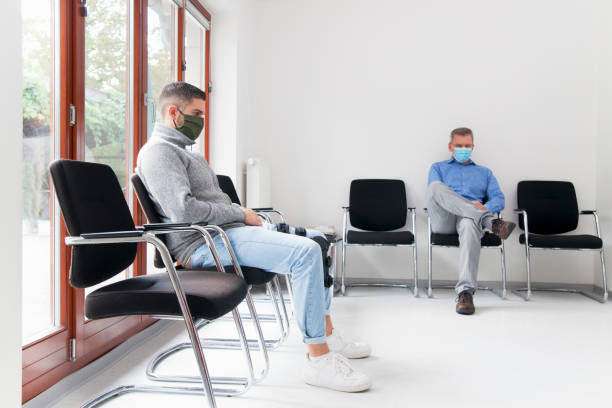
Vermont scores low in hospital staffing

A recent study that examined hospital staffing and ICU beds ranked 18 states ahead of Vermont when it comes to being prepared for future pandemic surges. Looking at ICU beds and doctors per capita among other factors the study found that about about 30 U.S. states are more prepared than Vermont. Texas and Georgia ranked at the bottom. New York and Connecticut at the top.

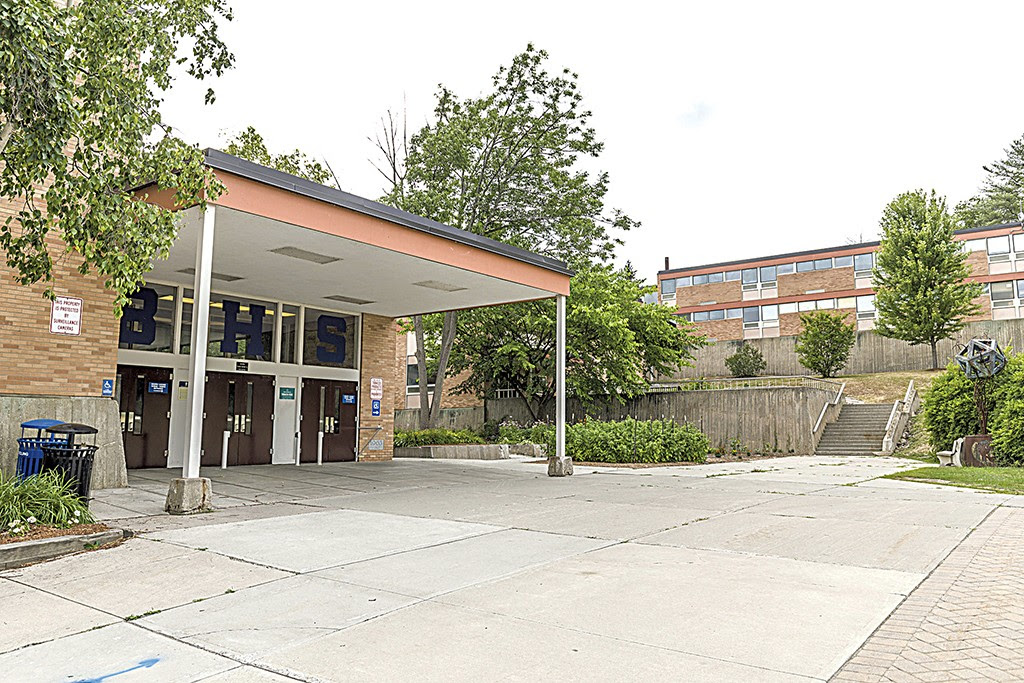
Vermont initiates first school PCB tests

A study conducted by the CDC in 2014 found that exposure to high concentrations of PCBs, a harmful group of human-made chemicals commonly used in building materials and electrical equipment, can cause adverse effects in humans. This spring, Vermont schools will become the first in the nation to test for polychlorinated biphenyls (PCBs) in the schools. Priority will be given to school buildings made during or before the 1980s as these buildings are more prone to PCB oil leakage through old lighting ballasts. See more in VT Digger here.

Why So Few Black Skiers?

A new book looks at lower African-American participation rates in certain recreational and cultural activities from skiing to golf, hiking, hunting and fishing, water sports, winter sports, classical music, painting and sculpture, ballet, and the theater. The primary reasons are racial-ethnic socioeconomic differences, as well as historic and contemporary discrimination, both overt and subtle, sociologist Dan Krymkowski finds. The book is available from the publisher.

Dating in Vermont

As we head past Valentines day, a new study puts Vermont in 22nd place when it comes to dating opportunities for singles. Using 30 separate variables from per capita singles to number of movie theaters, restaurants, income levels and use of on-line dating apps – Vermont falls in the middle of the pack. Leading the way were California and New York and trailing everyone -- Arkansas and West Virginia.

Community Resilience in Vermont

Most research on community resilience has been focused on recovery from disasters. This study compares how residents of Vermont versus New Zealand assess the rate at which the place they reside is able to recover. The results indicated that in general, Vermonters perceived their communities as more resilient than New Zealanders. The study found that institutional resilience was a driver in both places, whereas social and cultural resilience was a main driver in New Zealand, and economic and environmental dimensions were main drivers in Vermont.

The Price of Safety

A new film by Vergennes-based filmmakers Chris Spencer and Erin Wolcott examines the debate in Vergennes about police budgets and racial bias that led to the removal and quitting of 4 of five City Councilors. The film aired recently on Vermont PBS. A story about the film and the filmmakers is here in the Addison Independent. See also Stephanie Seguino’s research on racial bias in traffic stops here.

Vermont trainers and athletic coaches face issues with vocal health

A new study of sporting, fitness, and wellness leaders in Vermont found that over 30% have experienced symptoms related to their voices and vocal chords. Despite spending many of their working hours using their voices in acoustically poor conditions, only 5% of those surveyed reported receiving any kind of vocal training, but many participants felt that this should be included in their formal training.

Vermont Events

Beijing Olympic Screening 4: Women’s Gold Medal Hockey with Chicks with Stix - February 17
Queen City Kickback at ArtsRiot - February 19
Anais Mitchell at the Flynn - February 19

ANY THOUGHTS? POST THEM HERE!
Share Share
Tweet Tweet
Forward Forward
Copyright © 2021 Center for Research on Vermont, All rights reserved.
The Vermont Research News is a bi-monthly curated collection of Vermont research -- focused on research in the Vermont "laboratory" -- research that provides original knowledge to the world and research that adds to an understanding of the state's social, economic, cultural and physical environment. Thanks to support from the Office of Engagement at UVM.
Send your news items to Newsletter Editors Thaina Calix; Oscar Mcintosh, Justin Trombly or Richard Watts. CRVT is responsible for the content. The newsletter is published about the 1st and 15th of each month.