

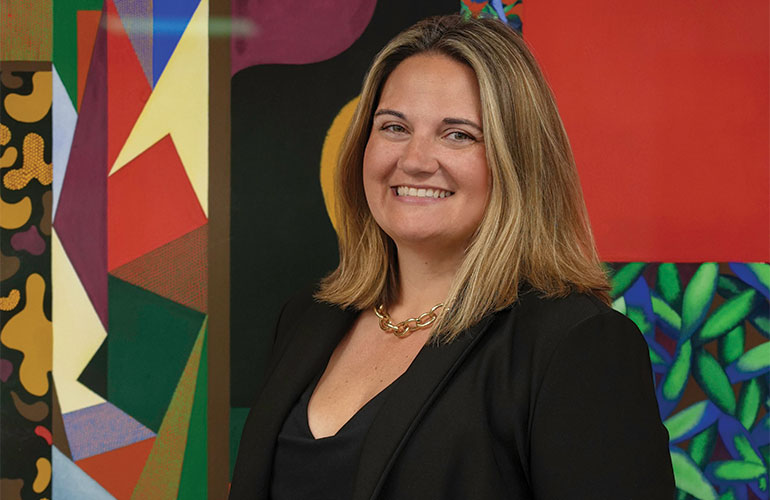
Photo: CEDRR’s new executive director, Sarah Furman. Photography: CEDRR
by Timothy McQuiston, Vermont Business Magazine
The Rutland Region economy is in transition. There are important new commercial developments, important new housing developments and important new leaders.
On the commercial side, Walmart is preparing to move out of downtown Rutland City and into the former Diamond Run Mall space just south in Rutland Town in 2028. In addition, Killington, up the hill on Route 4, is well underway with its sprawling development of its Village. Killington will enhance amenities, add hundreds of units of new housing and expand the snow sports experience. Killington extended its ski season through Memorial Day this year.
For those following the local economy over the last half century, there was much debate and hard work associated with redevelopment of the former train yard downtown, the permitting and ultimate building of the mall, and the siting of the Walmart plaza.
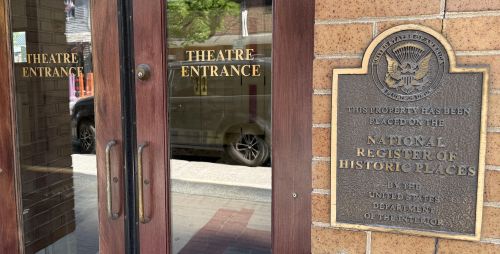
Along the way came the refurbishment of the Paramount Theatre on Center Street (also known as “The Playhouse”). The National Historic Site opened in 1914 and anchors the cultural center of downtown, with shops and restaurants, and the construction of a new hotel.
Into this transition steps new mayor and longtime public servant Tom Donahue. On the development side, Sarah Furman is the new Executive Director of the Chamber and Economic Development of the Rutland Region.
Furman brings nearly 15 years of experience in banking and lending, with a strong focus on supporting small businesses.
“I hold a master’s degree in accounting from Siena College and have a background in the hospitality and service industries.” She started in April.
Donahue was sworn in in March after an unusual write-in campaign in which there were no candidates on the ballot, as previous mayor Michael Doenges stepped down mid-term. Donahue has been the CEO of BROC Community Action.
“I had said throughout the campaign that I wanted to get ‘some wins’ for Rutland. This can come in many forms. One of those wins will be seeing crime statistics going down from the highs we were experiencing last year.
“We are accomplishing this through some innovative techniques creating more proactive policing. I firmly believe that achieving a reputation for public safety in Rutland will be a calling card for families and business investment alike as well as providing critical workforce.”
GENERAL DEVELOPMENT: A Region Rebuilding Its Economic Base
Rutland County’s economy remains anchored by a diverse mix of industrial, manufacturing, healthcare, and outdoor recreation employers. Long-standing manufacturers — including GE Aerospace, OMYA, Carris Reels, Hubbardton Forge, First Light Technologies, and New England Woodcraft — continue to provide stability and high quality jobs. At the same time, tourism and hospitality remain essential economic drivers, especially in Killington, Rutland City, Brandon, Poultney, and surrounding communities.
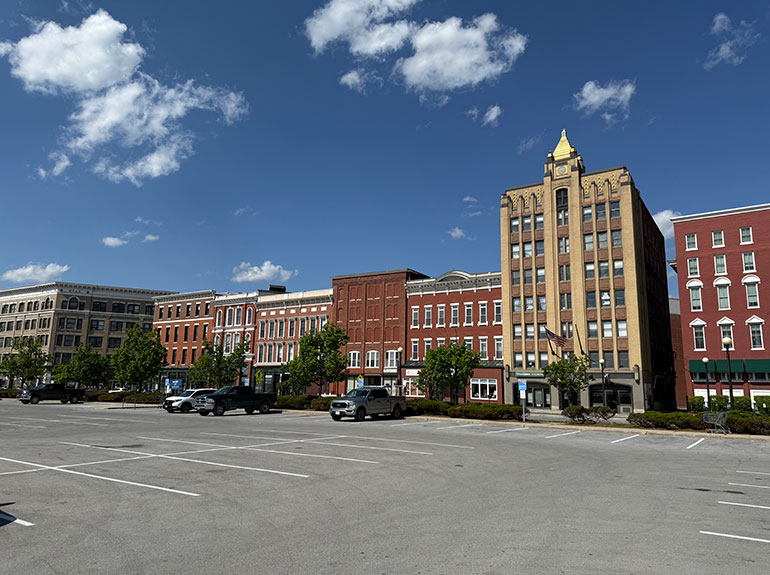
Photo: Merchants Row, Downtown Rutland. VermontBiz photo.
Sarah Furman said the county is seeing encouraging momentum in community led development. Projects such as Pittsford Village Farm, the Benson Village Store, and the Vermont Farmers Food Center redevelopment are strengthening local food systems and rural vitality. Investments in housing, a proposed downtown Rutland hotel, the Paramount Theatre project, and expanded recreational assets are further reinforcing the region’s economic foundation.
Furman emphasizes that the county is in a period of transition following the closures of Green Mountain College and the College of St. Joseph — losses that required Poultney, Rutland, and the broader region to adapt.
“These losses have required the towns, and the county as a whole, to adapt, transition, and remain resilient as we move forward,” she said.
Brandon, in particular, is highlighted as a community “making impressive strides,” with strong local energy and thoughtful planning. Its upcoming Community Visit with the Vermont Council on Rural Development is expected to shape its next phase of growth.
Brandon also benefits from a reconstructed section of Route 7. The major north-south route on the western side of the state snakes through the town on the northern reaches of Rutland County. The changes, completed in 2021, helped smooth out traffic flow and improved the city scape.
“The relocation of Walmart to Rutland Town will revitalize the former Diamond Run Mall area and create an important new asset,” Furman said. “At the same time, its departure from downtown Rutland presents an opportunity to reimagine that space and attract a new tenant or alternative use. I look forward to seeing how that evolves.”
Rutland Mayor Tom Donahue, now nine weeks into his term, describes a city energized by possibility. “The energy and enthusiasm in Rutland is palpable,” he said. “It feels like it is Rutland’s time to shine again.” Donahue has adopted an open door policy, launched a PEGTV show (“From the Mayor’s Desk”), and increased his public presence to build trust and transparency.

Photo: Tom Donahue, Mayor of Rutland. Courtesy photo
He sees public safety as a foundational economic priority.
“Achieving a reputation for public safety in Rutland will be a calling card for families and business investment alike,” he says. Donahue also points to the city’s application for Act 250 Tier 1A Exemption Status under Act 181 — a designation he expects Rutland to be the first in Vermont to receive. The exemption would streamline development and make larger scale housing, commercial, and industrial projects more feasible.
Tax Increment Financing (TIF) districts in both Killington and Rutland City are already helping drive new investment.
Furman notes that while progress is underway, “accelerating development will be essential to achieving the level of impact our communities need.”
CEDRR itself is evolving to meet these demands.
Furman has restructured the organization to include three directors — Economic Development, Operations & Finance, and the Executive Director — each bringing complementary strengths. The addition of Sarah Pelkey as Director of Economic Development and the promotion of Shasta Mattino to Director of Operations and Finance reflect a strategic effort to strengthen internal capacity and better support municipalities, businesses, and regional projects.
The Killington development project will bring significant value to the broader community, Furman said. As a major regional asset, Killington attracts visitors and economic activity that benefit our smaller towns and provide opportunities to showcase all that Rutland County has to offer.
Brandon is another community making impressive strides, she said, with strong local energy and thoughtful planning for future development. I’m eager to see how their upcoming Community Visit with the Vermont Council on Rural Development helps shape their next steps.
WALMART: A Major Shift for Rutland City’s Downtown Core
One of the most consequential changes facing the region is Walmart’s planned relocation from downtown Rutland to Rutland Town. The move will revitalize the former Diamond Run Mall area, but it also leaves a significant vacancy in the city’s core.
Furman sees both sides: “Its departure from downtown Rutland presents an opportunity to reimagine that space and attract a new tenant or alternative use.”
Sean Adkins, Executive Director of the Rutland Redevelopment Authority, underscores the unique nature of the downtown Walmart.
“Walmart has been a unique staple in the City for 30 years, as one of the few (if not the only) locations in a ‘downtown core’ across the country,” he says. The loss will bring both direct impacts — such as reduced Local Option Tax revenue — and indirect effects, including diminished convenience for residents.
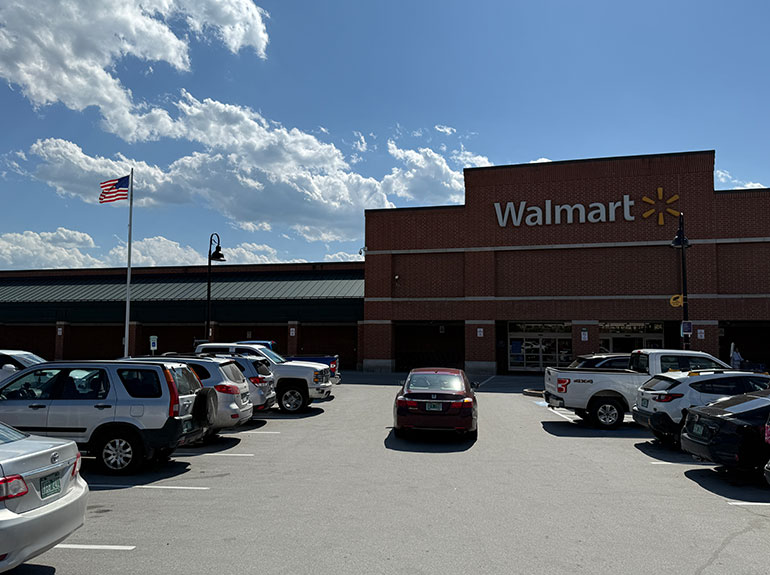
Photo: Walmart store in Rutland. VermontBiz photo
Still, Adkins is optimistic. As Rutland launches its new TIF District and broader “Rutland Renaissance,” the site has several promising paths forward: mixed use redevelopment, a new commercial anchor, or a replacement tenant secured by property owner Brixmor.
The TIF designation allows for the City to retain a portion of the statewide property tax to allow for infrastructure improvements financed by bonding, which should allow for more development opportunities. It’s been used with success in several places, including St Albans City and South Burlington.
“While (losing Walmart) is undoubtedly a loss for the City, it also opens up significant opportunities that we are ready to harness,” Adkins said.
Mayor Donahue echoes this sentiment. While he supports the new Walmart Supercenter and expanded retail options, he stresses the importance of replacing the lost revenue and filling the downtown vacancy with a strong retailer or mixed use concept.
“This is an issue we would like to resolve well in advance of their target departure date of 2028,” he said.
Walmart has anchored the downtown shopping district since 1997.
KILLINGTON: A Multibillion Dollar Transformation With Regional Impact
No project in Rutland County matches the scale — or the long-term economic potential — of the Killington Village redevelopment.
Killington is already the largest ski resort in the eastern United States, with a long history of hosting the Stifel Killington World Cup. But the next 25 years will reshape the mountain entirely.
Killington and neighboring Pico Mountain are owned by the Killington Independence Group, a consortium of local investors and pass holders. The group is led by long-time Killington homeowners Phill Gross and Michael Ferri. They acquired the resort in September 2024.
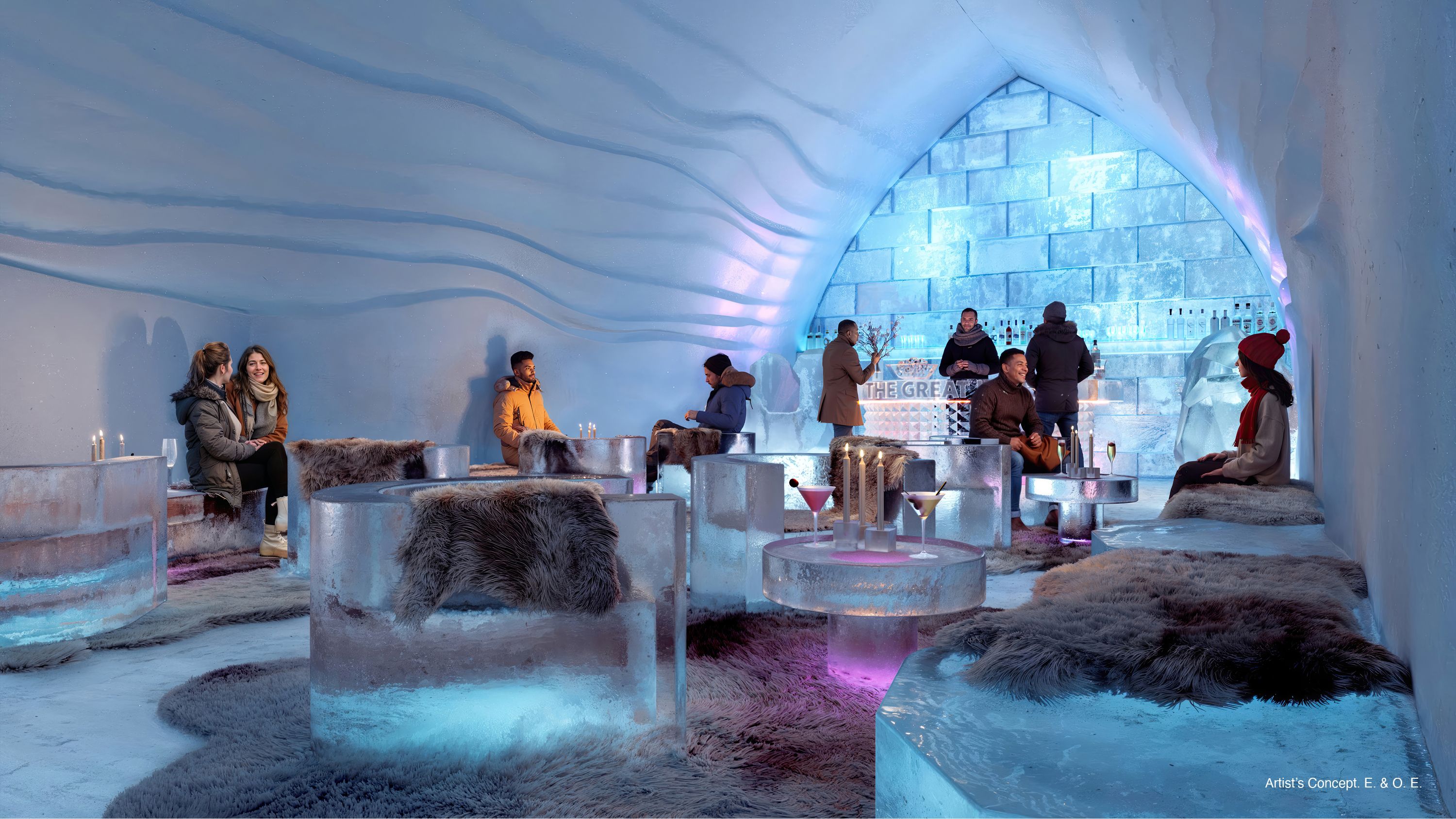
Great Gulf's proposed ice bar. Courtesy rendering.
Great Gulf, the lead developer, is spearheading a $3 billion, 25-year redevelopment. At the heart of this transformation is “Live Killington Village," a pedestrian-oriented community designed by Safdie Architects and PWP Landscape Architecture.
It includes:
- 1,095 acres of development area
- 720+ ski in/ski out residences
in initial phases - Two public squares for dining, retail, and year round activity
- The Crystal Lodge, an 85,000 square foot architectural centerpiece replacing Snow shed and Rams head lodges
- 225 residential units and 32,000 square feet of retail in Phase 1
- Sales began in 2025; Phase 1 completion expected in 2028
The project is backed by the Killington Investor Group, which includes Great Gulf, Phill Gross, Michael Ferri, John Casella, POWDR (the former majority owner of the resorts), and other investors.
Killington Resort President Mike Solimano said of ski season, “It has been another strong one for Killington and Pico. Combined skier visits across the two resorts are up 4.5% year over year, and while we slightly trailed our average annual snowfall, consistent cold temperatures helped us deliver excellent trail offerings during each of the key peak periods on the calendar.”
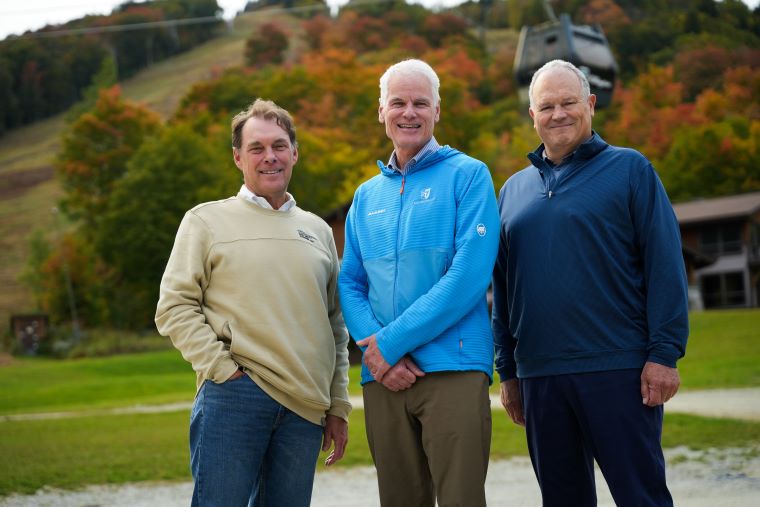
Left to right: Phill Gross, Mike Solimano, Michael Ferri. Killington photo.
The season didn’t end until Memorial Day.
Solimano said capital investments — over $60 million since becoming independently owned — continue to enhance the guest experience.
Recent upgrades include:
- 1,000+ new low energy snow guns
- A new gondola barn and new Skyeship cabins
- The Superstar Six chair lift
- The Ledgewood Yurt
- An upgraded Superstar Umbrella Bar
Planned investments for the next two seasons exceed $30 million, including:
- Additional low energy snow making
- Four fully automated fan guns
- 116 new gondola cabins
- Mountain bike trail expansion
- Replacement of the Superstar Express Quad with a high speed sixpack
The $12 million lift project required the Killington World Cup to relocate to Copper Mountain in 2025, a temporary economic loss for the region. The event draws 30,000 spectators annually and supports local ski programs through the Killington World Cup Foundation, which has provided more than $2 million in grants since 2024.
The World Cup, which has featured the top women’s slalom and giant slalom skiers, including Olympic gold medalist Mikaela Shiffrin, will return to Killington in 2026.
Meanwhile, Base Camp at Bear Mountain is progressing with 24 luxury residences. Five foundations were installed over the winter, and vertical construction is underway. The first units are expected to be move in ready for the 2026–27 ski season.
Solimano emphasized the broader economic impact: “Killington’s continued success helps drive visitation to local restaurants, shops, lodging properties, service providers, and other area businesses.”
HOUSING: A Central Challenge With New Momentum
Housing remains one of Rutland County’s – and indeed one of Vermont’s – most pressing issues, and one of its most active areas of investment.
Furman noted that the county needs a diverse range of housing options, from smaller homes for downsizing to affordable and market rate units for the workforce. Vacant and underdeveloped properties persist, and many existing homes require significant rehabilitation. Rising construction and permitting costs continue to slow progress.
Still, momentum is building.
Cornerstone Housing Partners has completed a 24 unit new construction project in Rutland and is nearing completion on a new 30 unit development in Rutland City. Leasing is underway, with occupancy expected this summer and fall. The organization is also acquiring the Loretto Home to create a temporary family shelter in partnership with BROC Community Action.
Mary Cohen, CEO of Cornerstone Housing Partners, said that demand remains high.

Photo: Mary Cohen, CEO of Cornerstone Housing Partners. Courtesy photo
“We continue to have a high number of applicants that have experienced homelessness,” she said. HUD’s halt on new vouchers has made affordability more challenging.
In West Rutland, the Marble Village Apartments project — developed by Cornerstone Housing Partners and Evernorth — recently opened 24 permanently affordable homes.
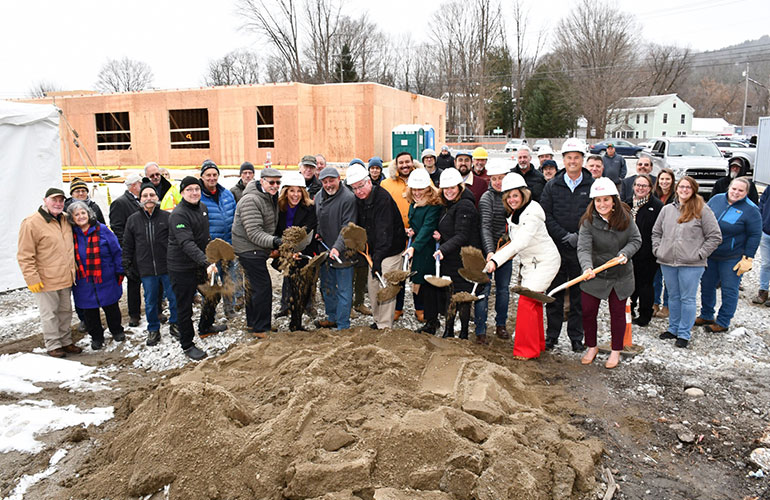
Photo: Groundbreaking at the Marble Village Apartments project. Courtesy photo
The redevelopment transformed three vacant properties into energy efficient housing with community gardens, outdoor space, and proximity to essential services. The project leveraged more than $13 million in public and private funding, including tax credit equity, VHFA loans, VHCB grants, ACCD funding, and support from NBT Bank, GMP, and Efficiency Vermont.
Evernorth’s Housing New England (HNE) Fund, VI provided the tax credit equity investment of $7.8 million for this project, which is administered by the Vermont Housing Finance Agency. The Vermont Housing Finance Agency also provided a $750,000 LIAC Loan. The Vermont Housing and Conservation Board contributed over $2.3 million, including over $1 million in National Housing Trust Funds. The Vermont Agency of Commerce & Community Development provided a $475,000 CRRP Grant and $600,000 from the Brownfield Revitalization Fund. Green Mountain Power and Efficiency Vermont are other funders. NBT Bank provided the construction loan. The Rutland Housing Authority is providing project-based rental assistance.
“Marble Village Apartments is a critical step in addressing housing needs and providing safe, stable homes. Cornerstone Housing Partners is proud to be part of the collaborative effort that brought this project to life,” Cohen said.
“We are so glad to be breaking ground today on homes that will remain a community asset in West Rutland forever,” Evernorth President and Co-Founder, Nancy Owens said in December 2024. “Like investments made in roads, sewers, schools and municipal buildings, this housing will remain in West Rutland to serve the community as a valuable resource you can rely on.”
In addition, Cornerstone Housing Partners in April was recently awarded a $250,000 Housing for Everyone grant from the TD Charitable Foundation, the giving arm of TD Bank U.S.
Cornerstone Housing Partners is one of 40 nonprofit organizations across TD’s footprint to receive funding through the 20th annual Housing for Everyone grant program, which supports solutions that foster early intervention, advance housing stability and decisively address housing challenges for renters in low- to moderate-income communities.
Treasurer Mike Pieciak highlighted the broader significance of such investments.
“These projects will make Rutland County more affordable, breathe new life into the region, and spark a new chapter in its revitalization,” he said.
The Roofs Over Rutland program — developed by Heritage Family Credit Union, the City of Rutland, and the Treasurer’s Office — also helped expand housing availability through lower rate financing tools. While funds are now exhausted, the program supported construction, renovation, and home equity projects aligned with local housing needs.
Sean Adkins said, “We are also seeing encouraging signs of incremental growth, with small scale developers responding to demand and adding much needed diversity to the housing market. State programs such as the Vermont Housing Improvement Program (VHIP), Community Housing & Infrastructure Program (CHIP) and Interim Housing Exemptions, along with initiatives like the Bylaw Modernization Program, are helping remove barriers and unlock new development opportunities in downtowns and village centers.
“Together, these efforts are strengthening population centers, supporting the workforce, and creating new opportunities for local businesses, laying the groundwork for more sustainable and balanced growth across Rutland County.”
WORKFORCE: Addressing Shortages Through Innovation and Exposure
Rutland County has experienced a steady population decline post-COVID. According to the US Census, the county's population at approximately 59,653 as of 2025, down from 60,570 during the 2020 Census.
As of April 2026, the county’s Labor Force stood at 28,594 with employment at 27,776 and a jobless rate of 2.9%, just one-tenth above the statewide average and two-tenths lower than it was a year ago. However, the Labor Force fell from 30,022 from April 2025 and Employment fell from 29,089. The average weekly wage in Rutland County in the third quarter of 2025 was $1,143, 7th highest, with the state average of $1,243 (US Bureau of Labor Statistics; US average $1,459).
Workforce shortages — particularly in the trades — remain a persistent challenge across Rutland County. Again, this is a statewide, and even a national, issue.
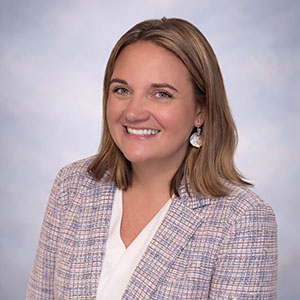
Photo: Sarah Furman, executive director, CEDRR. Photo: CEDRR.
Sarah Furman said that CEDRR is pursuing creative solutions, including the recent Workforce in Motion Summit, which brought together more than 1,000 students and nearly 100 businesses to spark interest in trades careers.
“Strengthening the trades is essential to our long-term economic health,” Furman said. “We are focused on elevating awareness of these stable, rewarding career paths and encouraging more individuals, particularly young people, to pursue them. At the same time, ongoing workforce development and training initiatives are helping ensure local businesses have access to a skilled, dependable workforce.”
The goal is twofold:
- Elevate awareness of stable, rewarding career paths
- Ensure businesses have access to a skilled, dependable workforce
Mayor Donahue sees workforce and housing as intertwined.
“We have several new housing developments being completed and several beginning construction,” he says. “This is critical to having a labor force available as we attract new investment.”
CEDRR’s internal restructuring also supports workforce development. With Pelkey’s expertise in planning and grants, and Mattino’s strength in operations and finance, the organization is better positioned to help municipalities and businesses navigate funding, permitting, and project execution.
DOWNTOWN RUTLAND: The Paramount and the Hotel
Treasurer Pieciak in February announced that his office is investing $8 million from the 10% in VT program to support the development of the Rutland downtown hotel. It’s across the street from the Paramount Theatre.
The new funding is a major step toward financing the project — transforming the Center Street block, strengthening local tourism, and sparking a new chapter of the Marble City’s revitalization.
The hotel will replace the long-vacant brownfield “pit” on the corner of Wales Street and Center Street with a seven-story, mixed-use building accommodating 100 guest rooms, 30 permanent jobs, and 26 new apartments — boosting downtown foot traffic and welcoming new customers for local businesses.
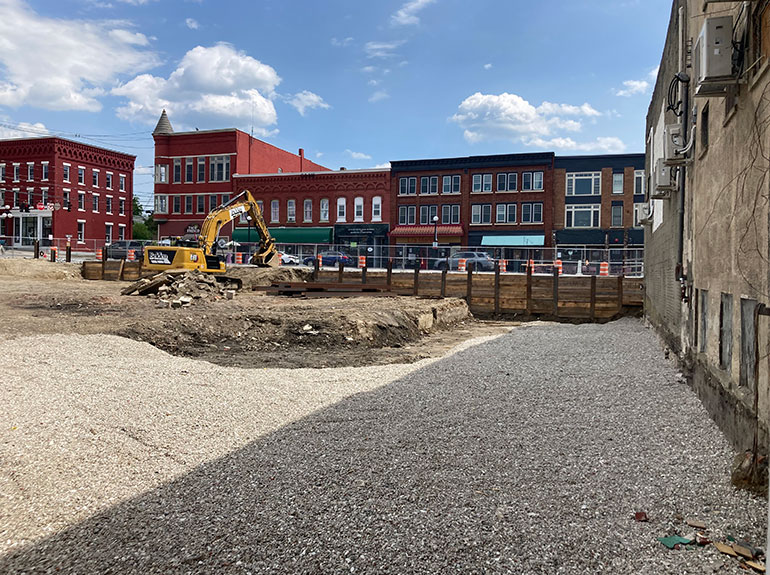
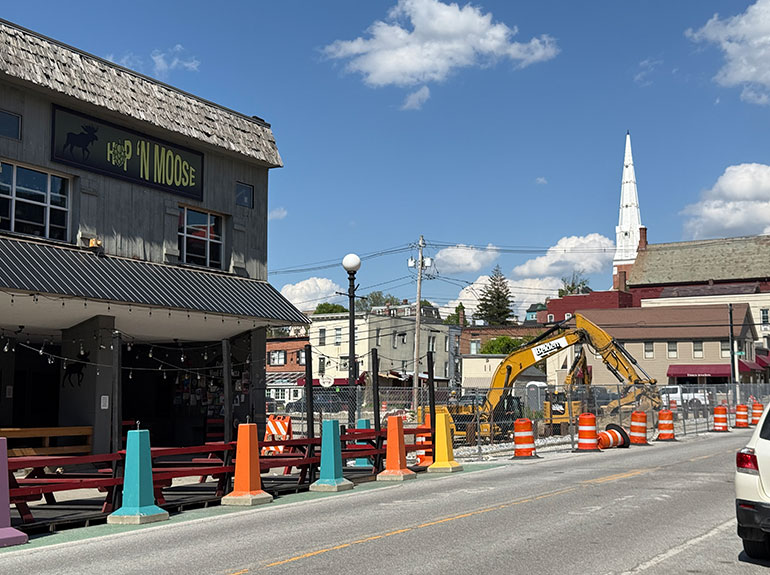
Photos: Downtown Rutland hotel construction. Courtesy photos
The added lodging space will also soften demand for short-term rentals, expanding local housing options for workers and families. Rutland’s downtown has been without a hotel since the Berwick Hotel, which previously occupied the space, burned down in 1973. The project is expected to add millions in new revenue to the local tax base over time.
“This investment marks a shared belief that Rutland's best days lie ahead,” said Treasurer Pieciak. “By inviting guests to explore, shop, and stay in the City’s historic downtown, the hotel will bring this vision to life — solidifying Rutland as an engine of opportunity for years to come.”
The 10% in VT program authorizes the Treasurer’s Office to invest 10% of the State’s average daily cash balance into projects that grow Vermont’s economy and the State’s revenues. The funding, issued through low-interest loans, offsets high borrowing costs that would otherwise make projects difficult, if not impossible, to finance.
The press conference announcing the hotel project was held at The Paramount Theatre, located directly across from the development site.
Eric Mallette, the theatre’s Executive Director, emphasized that the hotel will breathe new life into Rutland’s downtown, strengthening local businesses like The Paramount.
“40% of our audience already comes from outside of the county,” said Mallette. “A hotel directly across the street will grow our audience, give guests the opportunity to stay nearby, and turn a night at the Paramount into a full downtown experience. These investments are proof of a community moving forward with confidence, momentum, and optimism.”
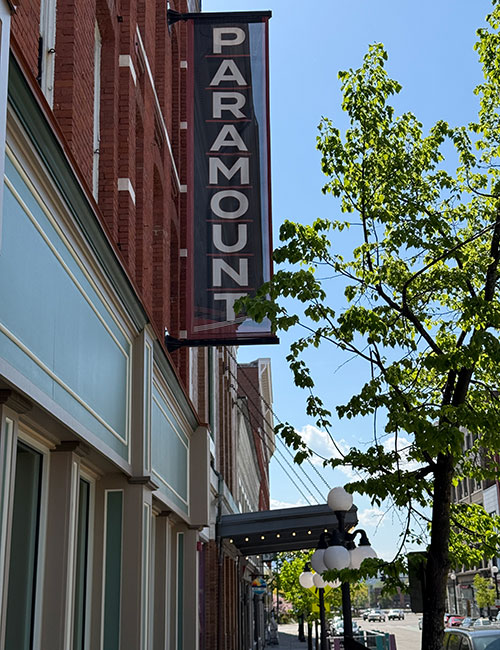
Photo: Paramount Theatre. VermontBiz photo