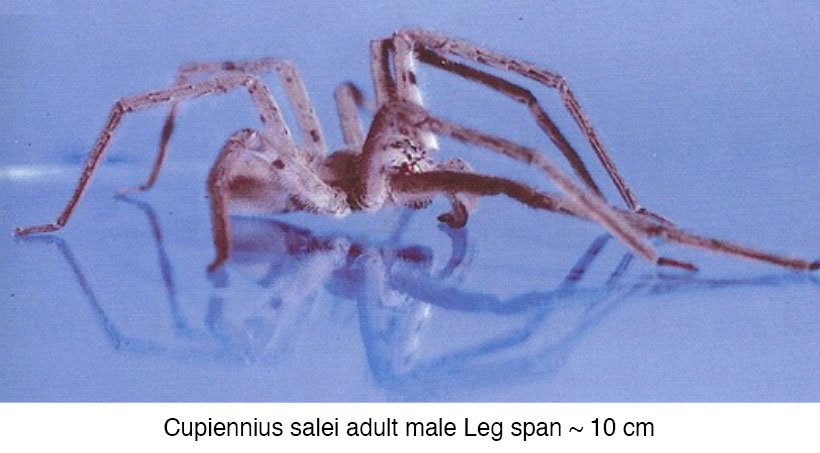
Investigation of cellular processes that cause neurodegeneration in spider, rodent and human brain with focus on Alzheimer Disease
Vermont Business Magazine According to current estimates, worldwide over 50 million people are affected by irreversible progressive neurodegenerative diseases that end in death of affected individuals. One of the most prevalent forms of neurodegeneration is Alzheimer Disease (AD) that affected roughly 6.9 million USA citizens over the age of 65 in 2024, thus ranking within the leading causes of death. Despite massive international research efforts, the underlying causes for AD remain elusive.
Over the past several decades, the ‘amyloid hypothesis’ has been the prevalent proposition regarding the underlying causes of AD. This theory postulates that the presence of abnormal, neurotoxic ‘amyloid beta (Aβ) plaques’ and ‘neurofibrillary tau tangles’ in the brain of AD decedents may be the result of failed waste removal from the brain explaining the detrimental formation of plaques and tangles. As a result of this prevailing theory, drugs are often designed to clear Aβ and hyperphosphorylated tau protein from the brain using monoclonal antibodies. However, these approaches have repeatedly failed in clinical trials. In addition to the suffering experienced by affected individuals and their families, the monetary implications of these failed drug trials are staggering. Together with an estimated annual cost exceeding US$ 300 billion in medical and healthcare-related expenses, these numbers highlight the paramount importance to re-evaluate past and current research findings and therapeutic approaches.

Saint Michael’s College director of neuroscience Dr. Ruth Fabian-Fine
Why have we been unable to illuminate the underlying causes for neurodegeneration despite (i) massive international research undertakings, (ii) advanced scientific knowledge, and (iii) increasingly sophisticated biomedical technologies?
We address this question through investigation of the progressive nature of neurodegeneration in both invertebrate and mammalian brain.
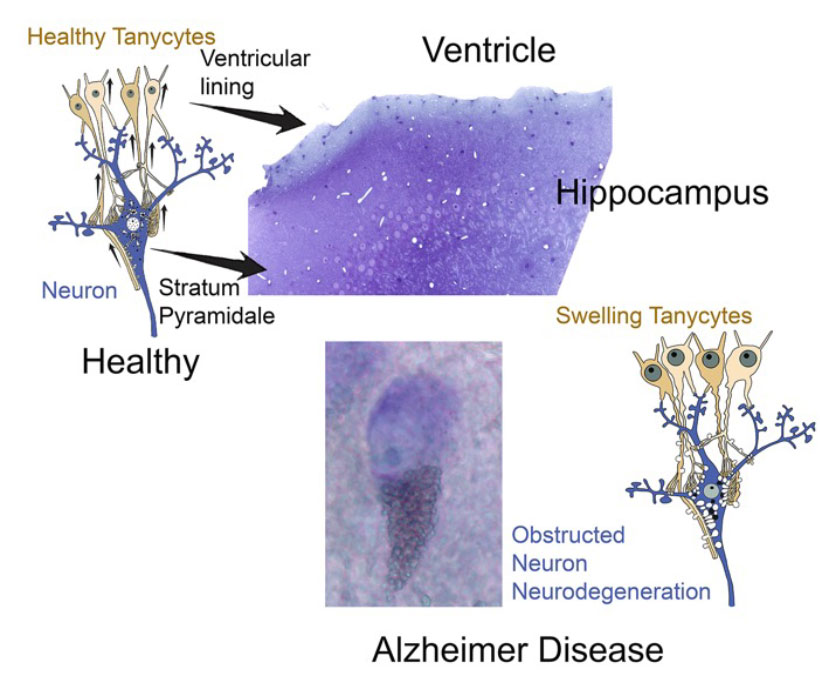
Initially investigating cellular processes of neurodegeneration in the Central American Wandering Spider Cupiennius salei we discovered that neurodegeneration is triggered by the unraveling of myelinated glial cells. Due to the large size of neurons in the spider brain we were able to identify a novel glial-canal system that utilizes myelin canals to remove cellular waste from neurons. It is this canal system that unravels in the spider nervous system and leads to the depletion of associated neurons.
To support vital journalism, access our archives and get unique features like our award-winning profiles, Book of Lists & Business-to-Business Directory, subscribe HERE!