

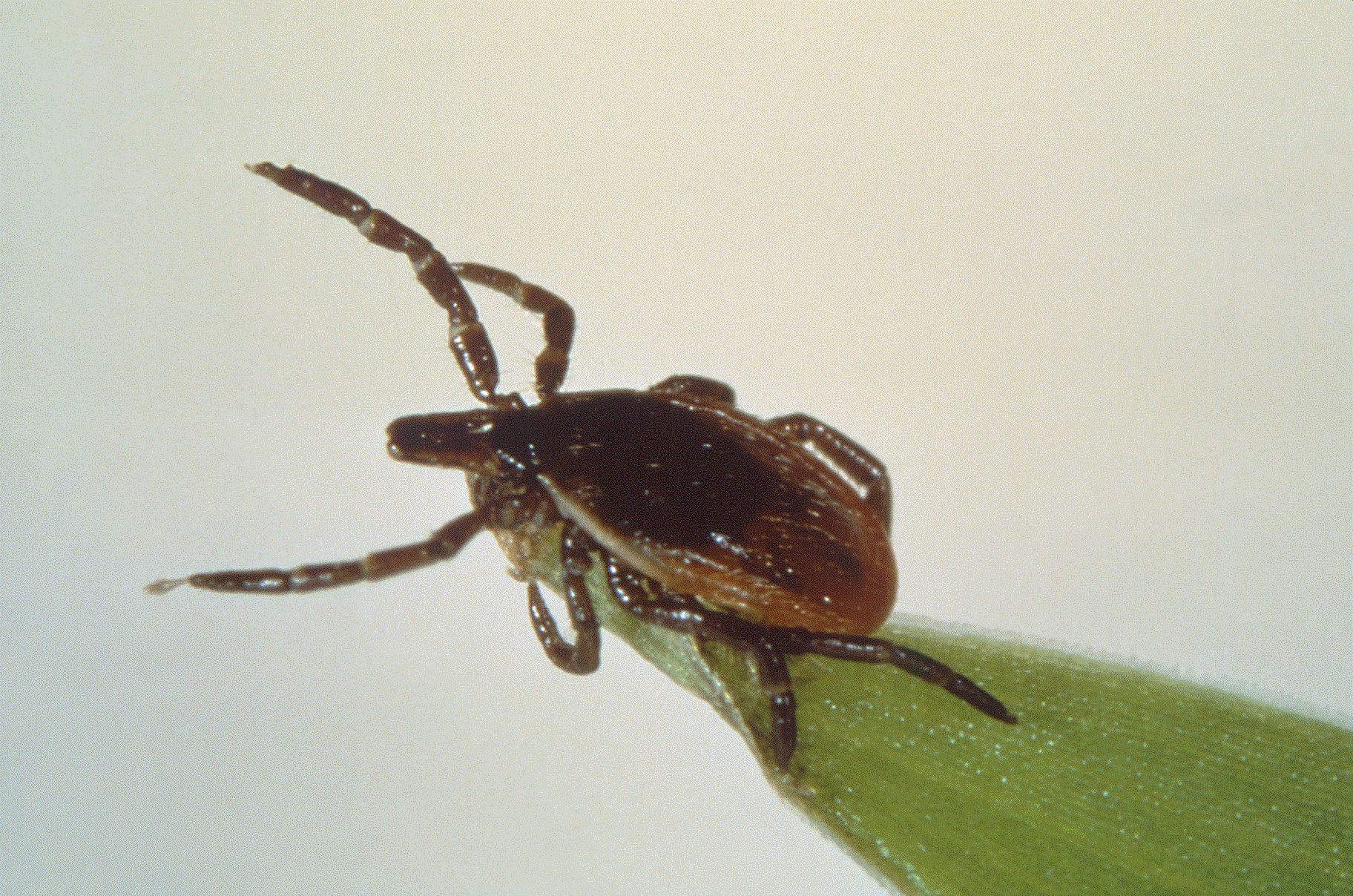
Blacklegged tick
Vermont Business Magazine Tickborne diseases are illnesses that can spread to humans by the bite of infected ticks. Ticks usually feed on the blood of animals, like mice, shrews, chipmunks and deer, but they will also feed on humans. When they bite, ticks can sometimes pass on bacteria, parasites or viruses that can make people sick. In order to feed, a blacklegged tick will wait on the tip of a blade of grass or the edge of a leaf with its front legs extended until a person brushes by. The tick will climb on and make its way to the skin where it can feed. If not removed, a tick may feed on a person for several days. While it feeds, the tick will get larger as it fills up with blood. This is when diseases from the tick can be spread to humans. After feeding, the tick will drop off and continue through its life cycle.
Lyme disease is the most commonly reported tickborne disease in Vermont. It is caused by bacterium called Borrelia burgdorferi that is spread by the bite of infected blacklegged ticks. Symptoms of Lyme disease do not begin right away. It can take 3 to 30 days after a tick bite before someone might feel sick. Lyme disease can cause fever, headache, joint pain and swelling, muscle aches, and fatigue. One unique sign of Lyme disease is a distinctive rash that often appears and expands gradually from the site of the tick bite.
It might look like a bull’s eye, with a small circular rash surrounded by clear skin, surrounded by another circular rash. Lyme disease can only be diagnosed by a health care provider. Diagnosis is based on symptoms, and blood tests can be helpful when used correctly. Lyme disease can be successfully treated with antibiotics.
Over 99% of all tickborne diseases reported to the Vermont Department of Health are caused by the blacklegged tick.

PROTECT: Avoid areas where ticks live, use EPA-registered tick repellents, and cover up.

CHECK: Don't let ticks hitchhike inside and check your whole body.

REMOVE: Remove attached ticks as soon as you can.

WATCH: Watch for symptoms and tell your provider if you get sick.
Protect
- Ticks live in wooded and brushy areas with high grass and leaf litter. Walk in the center of trails to avoid contact with host-seeking ticks.
- Take extra precautions in spring through fall when ticks are most active.
- Use an EPA-registered insect repellent on your skin.
- Consider treating clothing with permethrin, which kills ticks on contact and gives protection through several washes. Do not use permethrin on skin.
- Talk to your veterinarian about tick prevention products for pets.
- Wear pants, long sleeves and long socks. Light-colored clothing can help you spot ticks more easily.
Check
- Check clothing, gear, and pets before going inside.
- Put your clothes in the dryer on high heat for 10 minutes.
- Check your body and your child’s body: under arms, behind ears, around waist, between legs, etc. Using a mirror can help.
- Take a shower to wash off unattached ticks and to help find attached ticks more easily.
Remove
Remove the tick as soon as you can. Use fine-tipped tweezers, or a tick removal tool, and follow the steps below. Don't use petroleum jelly, a hot match, nail polish, or any other products to remove a tick. These methods don't work!
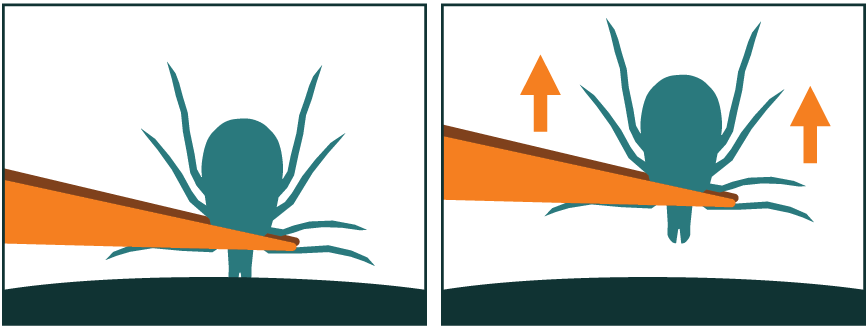
- With a steady motion, pull straight up until all parts of the tick are removed. Don't twist or jerk the tick. Don't be alarmed if the tick's mouthparts stay in the skin.
- Dispose of a live tick by putting it in alcohol, placing it in a sealed bag or container, wrapping it tightly in tape or flushing it down the toilet. Never crush a tick with your fingers.
- Clean your hands and the bite area with rubbing alcohol or soap and water.
You don't need to go to your health care provider or the emergency room to have a tick removed. If you have trouble removing the tick, or you can't reach it, ask a family member or friend to help.
Watch the right way to remove a tick from the New York State Department of Health
Tick Bite Assessment
Tool to assist in the removal of ticks and seeking healthcare, if appropriate, after a tick bite
Get Started
Should I get antibiotics after a tick bite?
Should I get the tick tested?
Watch
- Watch for symptoms of tickborne illness for 30 days after a tick bite.
- Symptoms may include fever, chills, rash, headache, joint pain, muscle aches, or fatigue. 71% of people with Lyme disease will have a rash, but other tickborne diseases in Vermont do not cause a rash.
- Contact your health care provider if you develop any symptoms, and tell them about your recent tick bite, when the bite occurred, and your outdoor activities.
- Some tickborne diseases, including Lyme disease and anaplasmosis, can be treated with antibiotics.
- Most people who begin treatment early on fully recover.
Learn more about the types of ticks and the tickborne diseases found in Vermont or visit the CDC for more information.