

WATERFOWL BLINDS MUST BE REMOVED
Waterfowl hunters who did not remove their hunting blinds from the waters of the state earlier must do so before February 15 on Lake Champlain or May 15 on inland waters according to a reminder from the Vermont Fish and Wildlife Department.
State law requires removal of the blinds before these deadlines to protect natural areas and to prevent boating accidents after the ice melts.
“Removal of the blinds and any posts that may be below the surface of the ice is important because of the danger they present when boaters are on the water in the spring,” said State Game Warden Colonel Jason Batchelder.
Batchelder says wardens annually record names and addresses of blind owners and will follow up with inspections.
WATERSHED GRANT PROGRAM NOW ACCEPTING APPLICATIONS
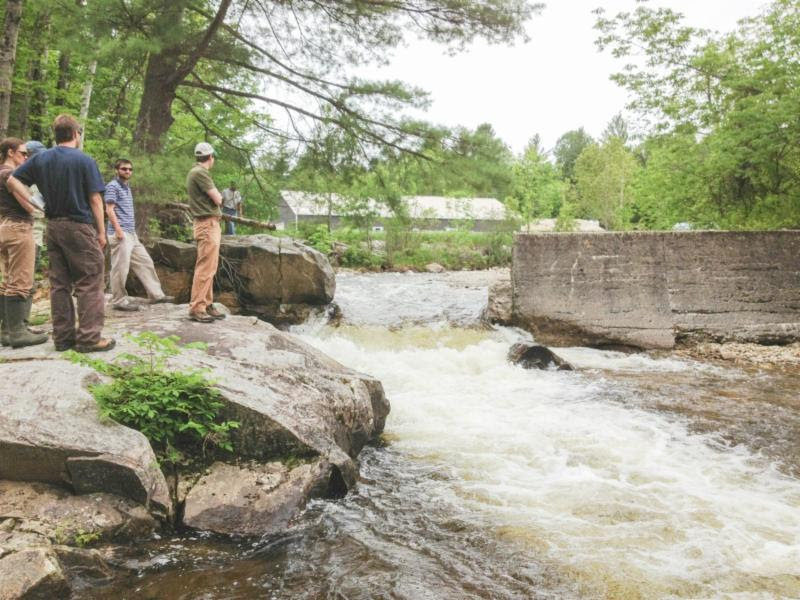
The 2022 Vermont Watershed Grants Program is now accepting applications for projects that protect, restore and enhance the state's lakes, streams, rivers, and ponds, including Vermonters’ ability to understand and enjoy these treasures. Applications are due no later than Friday, February 11, 2022.
Program grants are available to municipalities, local and regional government agencies, sporting clubs, non-profit organizations, and water-related citizen groups. Projects that seek to directly protect or restore fish and aquatic wildlife habitat are strongly encouraged. Examples of past funded projects include invasive species education, shoreline vegetation restoration and the removal of old dams and replacement of culverts to improve fish passage.
For 2022, $70,000 is available to fund three categories of projects. The three categories and the maximum amount for each project type are: education and outreach ($5,000), planning, assessment, inventory, monitoring ($3,500) and on-the-ground implementation ($10,000).
Vermont Watershed Grants Program is a joint project of the Vermont Fish and Wildlife Department and the Department of Environmental Conservation. It was established by legislature and funded by sales of the Vermont Conservation License Plate.
"When Vermonters purchase a Conservation License Plate, they're helping protect healthy streams and lakes as well as conserving wildlife and important habitats for future generations," said Fish and Wildlife Commissioner Christopher Herrick. “Proceeds from the sale of Conservation License Plates fund the Watershed Grants program and help support the Fish and Wildlife Department's Nongame Wildlife Fund."
The Watershed Grants application guide and application forms are available on the web at: https://dec.vermont.gov/water-investment/cwi/grants/co-opportunities The application process has changed from past years.
Applications for the Vermont Conservation License Plate are available on the Department of Motor Vehicles website: https://vtfishandwildlife.com/get-involved/donate/conservation-license-p...
VT FISH & WILDLIFE PARTNERS WITH ASSOCIATION OF VERMONT CONSERVATION COMMISSIONS ON NEW HANDBOOK
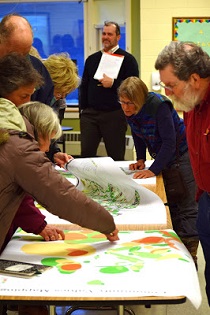
The Vermont Fish and Wildlife Department is pleased to partner with the Association of Vermont Conservation Commissions (AVCC) to announce a new handbook designed as a resource for Vermonters serving on municipal conservation commissions.
According to the department, approximately half of Vermont towns and cities have an active conservation commission. These local groups of volunteers take on a wide range of projects, from removing invasive species on town lands, to raising funds for conservation deals, to leading birding outings in their communities.
“We are incredibly grateful to the Vermonters who dedicate so much time and effort towards conservation in their communities,” says department conservation planning biologist Jens Hilke. “Conservation commissions can be the backbone of local efforts to protect fish, wildlife, plants, and their habitats.”
The AVCC first published the document that serves as inspiration for this current handbook in the 1990s, to help volunteers sustain town conservation commissions.
Recognizing that it was time for an update, the AVCC began work on this second edition handbook in partnership with department conservation planning staff in the Community Wildlife Program.
In addition to a complete revision of the existing chapters on basics like starting a new conservation commission and creating a budget, the new edition includes sections on digital communications, partnering with outside organizations, and fundraising. These additions will help conservation commissions meet modern challenges, such as reaching new audiences and tackling climate change.
As former AVCC board chair Nancy Everheart writes in the new handbook’s foreword, “conservation has never felt more urgent – and this handbook will help inspire and support the people who help make it happen.”
“We’re especially excited to showcase examples of success stories from across the state that demonstrate how conservation commissions dreamed up and accomplished ambitious conservation projects,” adds Hilke. “Each chapter includes several of these inspiring stories.”
“Removal of the blinds and any posts that may be below the surface of the ice is important because of the danger they present when boaters are on the water in the spring,” said State Game Warden Colonel Jason Batchelder.
Batchelder says wardens annually record names and addresses of blind owners and will follow up with inspections.