


Vermont Business Magazine You can now get a booster shot of Pfizer vaccine if you received your second dose of the Pfizer-BioNTech vaccine six months ago or more and are age 65 or older, or are age 18 or older with certain medical conditions that put you at high risk of getting severely ill with COVID-19. The list of conditions is very long. You also could be eligible depending if your job puts you at higher risk, which includes anything from a frontline healthcare worker to a first responder to a supermarket employee.
Governor Scott said today that the state will take a very broad interpretation of eligibility.
"We've reflected on this," Scott said. "We're going to be quite lenient in terms of of who should be included and if they'd like to have a booster we'd like to find a way for them to have it. So I expect that number is substantially higher at this point. So our interpretation of this will be, again, quite broad."
In other words, it sounds as if anyone who is older than 17 and had two Pfizer doses at least six months ago will be allowed to get the booster.
When the Pfizer booster was first approved, the state estimated that it would cover about 113,000 Vermonters.
Still, the governor is urging all those who have not been vaccinated to do so. The unvaccinated have a higher incidence of hospitalization and death. And the booster shot is reducing serious illness by up to 20 times.
However, only about 2,000 Vermonters have signed up for a booster, which began last Friday. Human Services Secretary Mike Smith expects activity to pick up as the age bands and eligibility requirements progress.
At this time booster shots have not been approved for people who received the Moderna or Johnson & Johnson vaccines. Officials expect that those vaccines will get approval in the next few weeks.
Meanwhile, the Vermont Department of Health today reported 82 cases of COVID-19 (down 117 from Monday), three more deaths, for 313 statewide. There are 44 people hospitalized (up 8) and 12 in the ICU (up 5).
In his weekly briefing, Financial Regulation Commissioner Michael Pieciak said the national, regional and state COVID-19 cases are declining in most places. He acknowledged that fatalities and hospitalizations are generally still elevated, as they are lagging data points. But case counts are slowly coming down in the region and more rapidly in parts of the South and West, which had severe spikes in recent weeks.
The eligibility list, the vaccine site and the vaccine and COVID-19 dashboards are below.
WHERE TO GET YOUR BOOSTER SHOT
Anyone who is eligible can check with their pharmacy or health care provider that has Pfizer vaccine. You can check with: Costco, CVS, Hannaford, Kinney Drugs, Price Chopper/Market 32, Rite Aid, Shaws, Walgreens, Walmart.
Right now, the Health Department can only make appointments for people age 75 or older. More people will be able to make appointments through the Health Department following this schedule:
-
70 years of age and older – Wednesday, September 29
-
65 years of age and older and people with certain medical conditions – Friday, October 1
To get a booster shot, find a location that offers the Pfizer vaccine. Check the map for locations with Pfizer.
-
If you are age 75 or older and you used the Health Department website to get your second dose, you can make your appointment online now.
MAKE AN APPOINTMENT -
If you are age 75 or older you can make your appointment by calling the Health Department at 855-722-7878, Mon - Fri 8:15 am - 4:30 pm, Sat and Sun 10:00 am - 3:00 pm.
- To speak with someone in a language other than English, call this number, and then press 1.
- For people who are Deaf or hard of hearing, you can make a TTY call to this number by dialing 711 or 1-800-253-0195.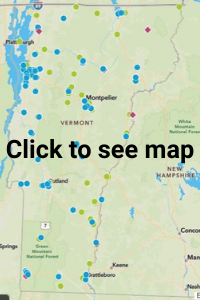
There will be enough vaccine for all who are eligible, but you may not get an appointment right away.
Note: The list below does not include all potential medical conditions that could make you more likely to get severely ill. Rare medical conditions may not be included below. However, a person with a condition that is not listed may still be in more danger from COVID-19 than persons of similar age who do not have the condition and should talk with their healthcare provider.
Medical Conditions in Adults
-
This list is presented in alphabetical order and not in order of risk.
-
CDC completed an evidence review process for each medical condition on this list to ensure they met criteria for inclusion on this webpage.
-
We are learning more about COVID-19 every day, and this list may be updated as the science evolves.
Cancer
Having cancer can make you more likely to get severely ill from COVID-19. Treatments for many types of cancer can weaken your body’s ability to fight off disease. At this time, based on available studies, having a history of cancer may increase your risk.
Get more information:
Chronic kidney disease
Having chronic kidney disease of any stage can make you more likely to get severely ill from COVID-19.
Get more information:
Chronic lung diseases, including COPD (chronic obstructive pulmonary disease), asthma (moderate-to-severe), interstitial lung disease, cystic fibrosis, and pulmonary hypertension
Chronic lung diseases can make you more likely to get severely ill from COVID-19. These diseases may include:
-
Asthma, if it’s moderate to severe
-
Chronic obstructive pulmonary disease (COPD), including emphysema and chronic bronchitis
-
Having damaged or scarred lung tissue such as interstitial lung disease (including idiopathic pulmonary fibrosis)
-
Cystic fibrosis, with or without lung or other solid organ transplant
-
Pulmonary hypertension (high blood pressure in the lungs)
Get more information:
Dementia or other neurological conditions
Having neurological conditions, such as dementia, can make you more likely to get severely ill from COVID-19.
Get more information:
Diabetes (type 1 or type 2)
Having either type 1 or type 2 diabetes can make you more likely to get severely ill from COVID-19.
Get more information:
-
American Diabetes Association: How COVID-19 Impacts People with Diabetesexternal icon
Down syndrome
Having Down syndrome can make you more likely to get severely ill from COVID-19.
Get more information:
Heart conditions (such as heart failure, coronary artery disease, cardiomyopathies or hypertension)
Having heart conditions such as heart failure, coronary artery disease, cardiomyopathies, and possibly high blood pressure (hypertension) can make you more likely to get severely ill from COVID-19.
Get more information:
HIV infection
Having HIV (Human Immunodeficiency Virus) can make you more likely to get severely ill from COVID-19.
Get more information:
Immunocompromised state (weakened immune system)
Having a weakened immune system can make you more likely to get severely ill from COVID-19. Many conditions and treatments can cause a person to be immunocompromised or have a weakened immune system. Primary immunodeficiency is caused by genetic defects that can be inherited. Prolonged use of corticosteroids or other immune weakening medicines can lead to secondary or acquired immunodeficiency.
People who have a condition or are taking medications that weaken their immune system may not be fully protected even if they are fully vaccinated. They should continue to take all precautions recommended for unvaccinated people, including wearing a well-fitted mask, until advised otherwise by their healthcare provider.
Get more information:
Liver disease
Having chronic liver disease, such as alcohol-related liver disease, nonalcoholic fatty liver disease, and especially cirrhosis, or scarring of the liver, can make you more likely to get severely ill from COVID-19.
Get more information:
Overweight and obesity
Overweight (defined as a body mass index (BMI) > 25 kg/m2 but 30 kg/m2), obesity (BMI ≥30 kg/m2 but 40 kg/m2), or severe obesity (BMI of ≥40 kg/m2), can make you more likely to get severely ill from COVID-19. The risk of severe COVID-19 illness increases sharply with elevated BMI.
Get more information:
Pregnancy
Pregnant and recently pregnant people (for at least 42 days following end of pregnancy) are more likely to get severely ill from COVID-19 compared with non-pregnant people.
Get more information:
Sickle cell disease or thalassemia
Having hemoglobin blood disorders like sickle cell disease (SCD) or thalassemia can make you more likely to get severely ill from COVID-19.
Get more information:
Smoking, current or former
Being a current or former cigarette smoker can make you more likely to get severely ill from COVID-19. If you currently smoke, quit. If you used to smoke, don’t start again. If you’ve never smoked, don’t start.
Get more information:
Solid organ or blood stem cell transplant
Having had a solid organ or blood stem cell transplant, which includes bone marrow transplants, can make you more likely to get severely ill from COVID-19.
Get more information:
Stroke or cerebrovascular disease, which affects blood flow to the brain
Having cerebrovascular disease, such as having a stroke, can make you more likely to get severely ill from COVID-19.
Get more information:
Substance use disorders
Having a substance use disorder (such as alcohol, opioid, or cocaine use disorder) can make you more likely to get severely ill from COVID-19.
Get more information:
Information on Children and Teens
While children have been less affected by COVID-19 compared with adults, children can be infected with the virus that causes COVID-19 and some children develop severe illness. Children with underlying medical conditions are at increased risk for severe illness compared to children without underlying medical conditions. Current evidence on which underlying medical conditions in children are associated with increased risk is limited. Current evidence suggests that children with medical complexity, with genetic, neurologic, metabolic conditions, or with congenital heart disease can be at increased risk for severe illness from COVID-19. Similar to adults, children with obesity, diabetes, asthma or chronic lung disease, sickle cell disease, or immunosuppression can also be at increased risk for severe illness from COVID-19. One way to protect the health of children is to ensure that all adults in a household are fully vaccinated against COVID-19.
GET YOUR FIRST OR SECOND DOSE OF VACCINE!
Visit www.healthvermont.gov/
Vermonters 70 years of age and older can make an appointment for booster shots beginning tomorrow. Those aged 65 and older can make appointments beginning on Friday.
Additionally, starting on Friday, those aged 18 to 64 with underlying medical conditions or who work in certain occupational settings will become eligible for boosters. The State is awaiting guidance from the CDC on what underlying medical conditions and/or occupational settings make individuals eligible for booster shots. That guidance is expected from the CDC later this week.
Booster shots are available at all vaccination sites listed below. They are only approved for those who received the Pfizer vaccine, and six months or more have passed since they completed their second dose. If you are eligible for a booster dose of the Pfizer vaccine, an appointment is required. We anticipate Moderna and Johnson & Johnson boosters to be recommended by the CDC in the coming weeks.
Here are the vaccination sites available this week:
Agency of Transportation - Dill Building, 2178 Airport Road, Berlin
Asa Bloomer State Building, 88 Merchants Row, Rutland
South Burlington EMS, 870 Williston Road, South Burlington
1311 Barre Montpelier Road, Berlin
Waterbury Ambulance, 1727 Guptil Road, Waterbury Center
Middlebury EMS, 55 Collins Drive, Middlebury
Miller Center, 175 Lakeside Avenue, Burlington
North Country Primary Care, 186 Medical Village Drive, Newport
Riverside Middle School, 13 Fairgrounds Road, Springfield
Rutland Rescue Inc., 46 Diamond Run Mall Place, Rutland
Colchester Middle School, 425 Blakely Road, Colchester
Mount Mansfield Union High School, 211 Browns Trace Road, Jericho
Springfield Rescue Inc., 303 South Street, Springfield
VFW-Morrisville, 129 VFW Drive, Hyde Park
Brattleboro Memorial Hospital, 53 Fairview Street, Brattleboro
Northeastern Vermont Regional Hospital, 1315 Hospital Drive, St Johnsbury
Northwestern Medical Center, 27 Fisher Pond Road, St. Albans
Doubletree, 870 Williston Road, South Burlington
Southwestern Vermont Medical Center, 982 Mansion Drive Bennington
Agency of Transportation - Dill Building, 2178 Airport Road, Berlin
Barre Town EMS, 4 McLaughlin Road, East Barre
South Burlington EMS, 870 Williston Road, South Burlington
Hartford Rescue Inc., 37 Highland Ave, White River Junction
Middlebury EMS, 55 Collins Drive, Middlebury
Rutland Rescue Inc., 46 Diamond Run Mall Place, Rutland
Essex High School, 2 Educational Drive, Essex Junction
Rutland High School, 22 Stratton Road, Rutland
Springfield Rescue Inc., 303 South Street, Springfield
VFW-Morrisville, 129 VFW Drive, Hyde Park
Addison County Home Health & Hospice, 254 Ethan Allen Highway, New Haven
Brattleboro Memorial Hospital, 53 Fairview Street, Brattleboro
Northwestern Medical Center, 27 Fisher Pond Road, St. Albans
Doubletree, 870 Williston Road, South Burlington
Southwestern Vermont Medical Center, 982 Mansion Drive Bennington
Agency of Transportation - Dill Building, 2178 Airport Road, Berlin
Asa Bloomer State Building, 88 Merchants Row, Rutland
Dunlap Hall, 102 Ice Pond Road, Arlington
South Burlington EMS, 870 Williston Road, South Burlington
1311 Barre Montpelier Road, Berlin
Newport Waterfront Plaza, Newport
Waterbury Ambulance, 1727 Guptil Road, Waterbury Center
Green Mountain Mall, 2000 Memorial Drive #14, St. Johnsbury
Hartford Rescue Inc., 37 Highland Avenue, White River Junction
Middlebury EMS, 55 Collins Drive, Middlebury
Rutland Rescue Inc., 46 Diamond Run Mall Place, Rutland
Bellows Falls Union High School, 406 High School Road, Westminster
Mt. Abraham Union High School, 220 Airport Drive, Bristol
Springfield Rescue Inc., 303 South Street, Springfield
Addison County Home Health & Hospice, 254 Ethan Allen Highway, New Haven
Little Rivers Health Care, 4628 Main Street North, Newbury
Northwestern Medical Center, 27 Fisher Pond Road, St. Albans
Southwestern Vermont Medical Center, 982 Mansion Drive, Bennington
Saturday, October 2
Agency of Transportation - Dill Building, 2178 Airport Road, Berlin
Asa Bloomer State Building, 88 Merchants Row, Rutland
Mad River Glen, Green and Gold Weekend, 57 Schuss Pass Road, Waitsfield
Middlebury EMS, 55 Collins Drive, Middlebury
North Country Primary Care, 186 Medical Village Drive, Newport
Waterbury Ambulance Service 50th Anniversary Celebration, Farr's Field, 1901 U.S. Route 2, Waterbury
Brattleboro Memorial Hospital, 53 Fairview Street, Brattleboro
Northwestern Medical Center, 27 Fisher Pond Road, St. Albans
Southwestern Vermont Medical Center, 982 Mansion Drive, Bennington
Sunday, October 3
Agency of Transportation - Dill Building, 2178 Airport Road, Berlin
More ways to get your free vaccine:
Make an appointment for a free vaccine
You can also walk-in at CVS, Hannaford Food and Drug, Walmart, Walgreens, Price Chopper/Market 32, Rite Aid, Shaw’s Supermarket, or Costco or get an appointment with Kinney Drugs, CVS, Walgreens, Northfi
|
DATE |
SITE |
TIME |
TOWN |
VACCINE TYPE |
|---|---|---|---|---|
|
10/04 |
Barre Town EMS |
3:00 pm - 5:00 pm |
East Barre |
Johnson & Johnson (single dose) |
|
10/04 |
School Clinic: Woodstock High School |
9:00 am - 5:00 pm |
Woodstock |
Pfizer (first or second dose) |
|
10/04 |
School Clinic: Randolph Union High School |
9:00 am - 5:00 pm |
Randolph |
Pfizer (first or second dose) |
|
10/04 |
School Clinic: Twin Valley Middle and High School |
9:00 am - 5:00 pm |
Whitingham |
Pfizer (first or second dose) |
|
10/04 |
Agency of Transportation |
8:00 am - 6:00 pm |
Berlin |
Pfizer (booster) |
|
10/05 |
School Clinic: Green Mountain Tech Center |
9:00 am - 5:00 pm |
Hyde Park |
Pfizer (first or second dose) |
|
10/05 |
Agency of Transportation |
8:00 am - 6:00 pm |
Berlin |
Pfizer (booster) |
|
10/06 |
School Clinic: Oxbow High School |
9:00 am - 5:00 pm |
Bradford |
Pfizer (first or second dose) |
|
10/06 |
School Clinic: Brattleboro Union High School |
9:00 am - 5:00 pm |
Brattleboro |
Pfizer (first or second dose) |
|
10/06 |
School Clinic: Bellows Free Academy Fairfax |
9:00 am - 5:00 pm |
Fairfax |
Pfizer (first or second dose) |
|
10/06 |
Agency of Transportation |
8:00 am - 6:00 pm |
Berlin |
Pfizer (booster) |
|
10/07 |
Barre Town EMS |
3:00 pm - 5:00 pm |
East Barre |
Johnson & Johnson (single dose) |
|
10/07 |
School Clinic: Bellows Free Academy Fairfax |
9:00 am - 5:00 pm |
Fairfax |
Pfizer (first or second dose) |
|
10/07 |
School Clinic: South Burlington High School |
9:00 am - 5:00 pm |
S. Burlington |
Pfizer (first or second dose) |
|
10/07 |
Agency of Transportation |
8:00 am - 6:00 pm |
Berlin |
Pfizer (booster) |
|
10/08 |
EMS Clinic |
10:00 am - 4:00 pm |
Newport |
Johnson & Johnson (single dose) |
|
10/08 |
School Clinic: Middlebury High School |
9:00 am - 5:00 pm |
Middlebury |
Pfizer (first or second dose) |
|
10/08 |
School Clinic: Blue Mountain High School |
2:00 pm - 8:00 pm |
Wells River |
Pfizer (first or second dose) |
|
10/08 |
Agency of Transportation |
8:00 am - 4:00 pm |
Berlin |
Pfizer (booster) |
|
10/09 |
School Clinic: Richford Junior/Senior High School |
2:00 pm - 8:00 pm |
Richford |
Pfizer (first or second dose) |
|
10/09 |
Indigenous Peoples' Day Rocks! |
10:30 am - 1:00 pm |
Stowe |
Johnson & Johnson (single dose) |
|
10/09 |
School Clinic: St. Johnsbury Academy |
12:00 pm - 4:00 pm |
St. Johnsbury |
Pfizer (first or second dose) |
|
10/09 |
School Clinic: U32 High School |
2:00 pm - 8:00 pm |
Montpelier |
Pfizer (first or second dose) |
|
10/11 |
School Clinic: Missisquoi Valley Union High School |
9:00 am - 2:00 pm |
Swanton |
Pfizer (first or second dose) |
|
10/13 |
North Country Union High School |
12:00 pm - 4:00 pm |
Newport |
Pfizer and Moderna (first or second dose) |