The Agriculture and Working Lands Assistance Application combines three different bills and a variety of eligibility components into one application. We’ve built this application to do most of the difficult thinking on the back end, and in doing so, we understand that has caused some confusion for applicants.
Read this quick summary regarding eligibility and if you still aren’t sure, just go ahead and log in to begin the application – the first section of the application will assess your eligibility on the spot, letting you know before you continue on. This should only take 15 minutes of your time!
Assume that you are eligible! We know that interpreting the eligibility flowchart is confusing (trust us, we made it!) but we have built these programs to be as inclusive as possible. So, please head into the application with the assumption that there is funding available for you.
If you have an agricultural or forest products business, you are likely eligible. Eligible sectors include farmers, commercial processors, commercial slaughterhouses, value-added food businesses, farmers markets, producer associations, and forestry products business. Check out the full list of eligible sectors and their definitions here.
What is net profit? There are some misperceptions out there about whether business needed to have a net profit between March and August. Net profit only applies to SOME applicants; for others it is irrelevant. Need some help figuring out if you had a net profit? We’ve created this worksheet to help with that!
The number of W2 employees refers to both owners and non-owners. This component also only applies to SOME, not all, applicants.
Most businesses must be open at the time of application OR have a plan to reopen. Don't overthink this piece too much, just log in and give it a shot!
These sessions will walk attendees through the application, common errors to be aware of, and how to submit a correct application. Submitting a correct application reduces review time and accelerates eligible applicant awarding.
These sessions will have roughly 30 minutes of content and 30 minutes of Q&A.
Throughout September, Shiftmeals is offering a virtual six-part webinar series called A Force to be Reckoned With, which highlights the intersectional experiences of Womxn and Femmes in all facets of the Vermont food system, from seed to hands.
The COVID-19 crisis has spotlighted systemic inequities for historically marginalized communities; consider that Black, Latinx, and Indigenous Americans are 5 times more likely to be hospitalized with the disease than white Americans, and Womxn are losing their jobs at nearly double the rate of men. These statistics point to inequitable distributions of access to healthcare, domestic and caretaking responsibilities, and frontline and service industry jobs..
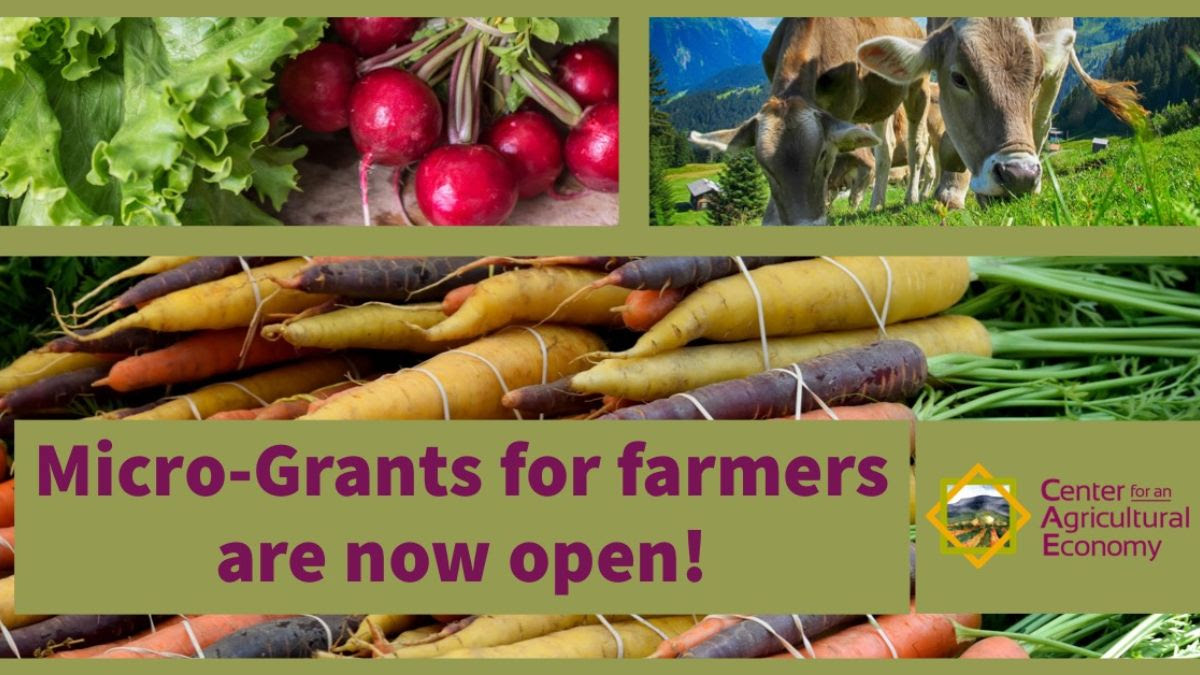
The Center for an Agricultural Economy in Hardwick, Vermont is offering micro-grants ($500) for those impacted by COVID-19. If your markets have been disrupted by the pandemic and you are incurring costs in the course of shifting your marketing approach, please consider applying to CAE's Marketing Micro-Grant program. These grants are intended to defray those expenses and are available to most Vermont farmers on a first-come, first-served basis. Check out our website for eligibility questions and the brief (15 minutes!) application.
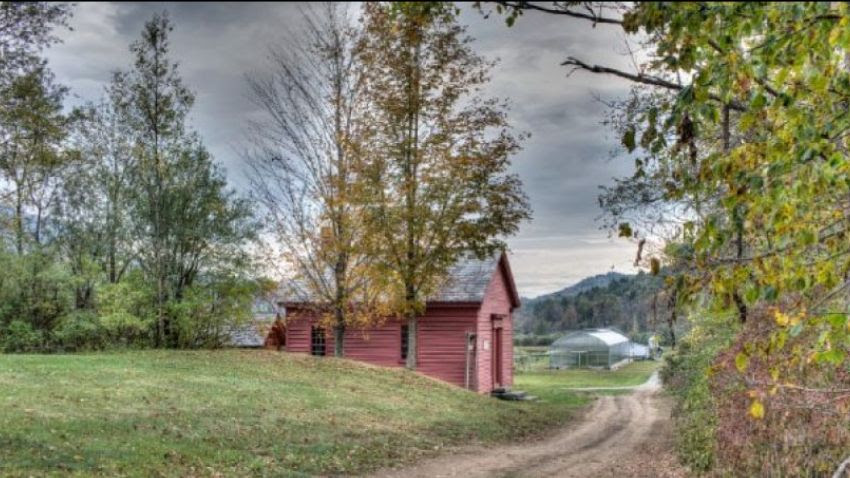
Taking a walk around a Vermont farm is a great way to get outside and take in the beauty and serenity of a working farm. Venture out as a solo explorer or with loved ones, and discover the sounds of crickets in hayfields, birdsong in sugarwoods, and humming equipment in the fields as farmers produce food, forage, fiber, and timber. Check out Dig In VT's guide to farm walks for detailed descriptions of twelve farm walks across the state. Information includes maps, accessibility, hours of operation and more.