

On February 20, 2015, Judge Thomas Durkin of the Vermont Superior Court Environmental Division issued an order approving a settlement agreement between the Vermont Natural Resources Council (VNRC), Jay Peak Resort, and the Vermont Agency of Natural Resources, Department of Environmental Conservation. This agreement will continue to improve water quality and protect streams adjacent to the fast-growing, four-season ski resort in northern Vermont.
“We have been concerned that for years these streams have failed to meet Vermont’s Water Quality Standards while land development has continued to discharge additional sediment pollution,” said Kim Greenwood, VNRC’s water program director and staff scientist. “It was a good investment of time and energy for VNRC to work with Jay Peak and the Department to figure out a good model for cleaning up water in Vermont,” said Greenwood.
 In support of on-going stream remediation efforts and in recognition of the call for increased diligence to improve stream quality, Bill Stenger, President of Jay Peak Resort stated, “Our guests come to Vermont to enjoy and appreciate our special environment. We have learned a lot over the past ten years as to how we can work together to keep the watersheds at Jay Peak Resort healthy and protected for all of our guests as well as for our neighboring communities downstream of the resort.” Background
In 2004, the Department found that Jay Branch and Tributary 9 of Jay Branch were “impaired” by sediment pollution, meaning the streams failed to meet applicable minimum state water quality standards for aquatic life. According to the Department, the initial impairment of the Jay Branch was attributed to the failure to comply with applicable Vermont construction and erosion control permits and operational stormwater permits. Recently, an additional stream, Tributary 3 of South Mountain Branch, was identified as impaired.
Elevated sediment runoff into streams can impact fish habitat, such as for brook trout, and habitat of other aquatic organisms.
Over the past several years, various Water Quality Remediation Plans were approved by the Department to improve water quality. Despite the implementation of the remediation plans, the streams remain impaired. In 2014, VNRC, represented by the Environmental and Natural Resources Law Clinic of Vermont Law School, appealed the Department’s issuance of the recent stormwater discharge permits to Jay Peak. As a result of the appeal, the parties engaged in settlement discussions to craft a clean-up plan that requires additional measures to provide for attainment of Vermont’s Water Quality Standards within a specified timeframe.
“An innovative part of the plan requires Jay Peak to offset sediment discharges so there is no net increase of sediment into impaired streams,” said Jamey Fidel, General Counsel for VNRC. “This is the third time we have entered into an agreement with third parties promoting offsets as a way to reduce sediment pollution. We hope this model will become more of an established protocol throughout the State.”
David Mears, Commissioner of the Department of Environmental Conservation remarked “We are pleased to be part of an agreement with VNRC and Jay Peak Resort that will result in significant improvements to Vermont’s waters.”
“Jay Peak embraces the means and methods that are necessary to keep our streams and natural resources clean. We have committed significant resources to comply with the Vermont Water Quality Standards and permit conditions, but we recognize there is more work to be done and the terms of this agreement provide a clear path forward” stated Walter Elander, Director of Mountain Planning and Development.
The Agreement
- The agreement has several provisions, including: Jay Peak will follow an aggressive compliance schedule for stream restoration.
- Until all streams are in attainment with water quality standards, permits for new discharges will require no net increase of sediment loading. This will be accomplished through the design of additional remedial (“offset”) projects.
- If Jay Peak does not meet the schedule for cleaning up the streams, Jay Peak will not begin new construction until the streams recover.
- If streams show excessive amounts of sediment after having met water quality standards, Jay Peak will not begin new construction until the streams recover.
- All impaired waters at Jay Peak will be in attainment with water quality standards before beginning construction on the West Bowl (a currently undeveloped area adjacent to the resort).
- Before Jay Peak will apply for any Department of Environmental Conservation permits for development in the West Bowl, Jay Peak will submit a Water Quality Protection Plan that includes detailed scientific information to demonstrate whether the waters will be negatively impacted by new development.
- The Department and Jay Peak Resort will host a meeting once a year to update the public on the progress of restoring the streams.
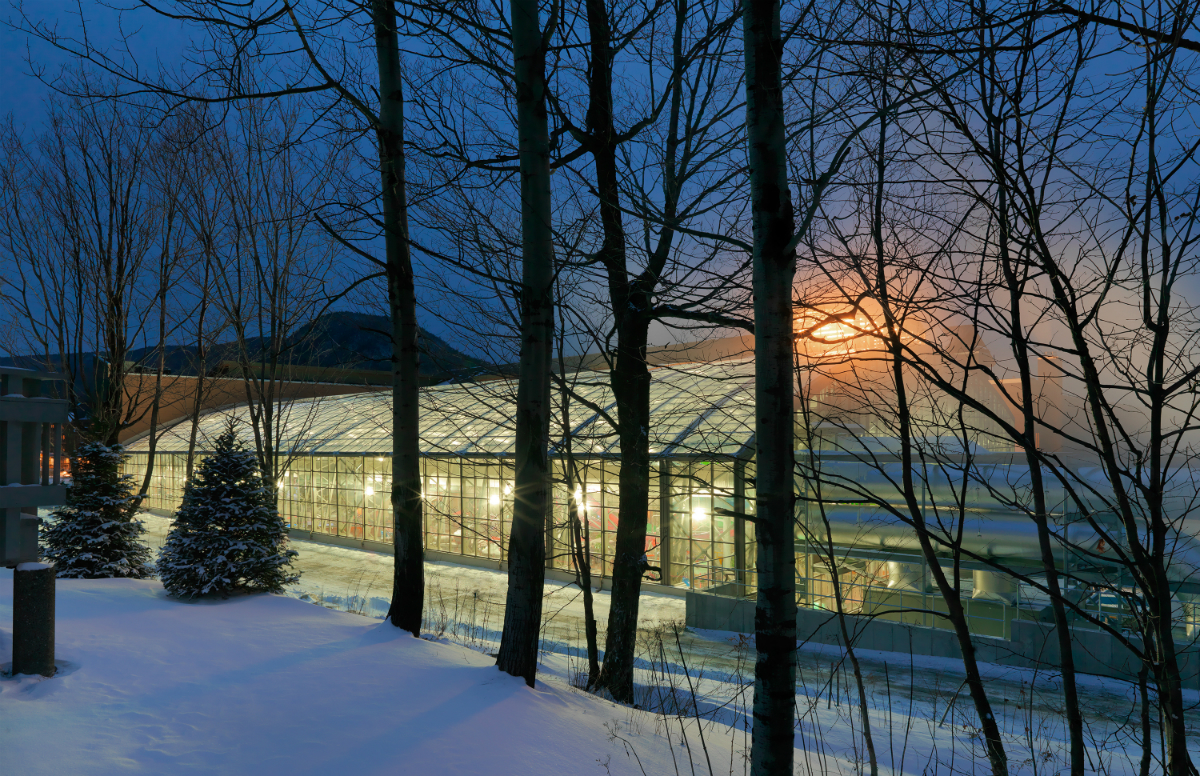
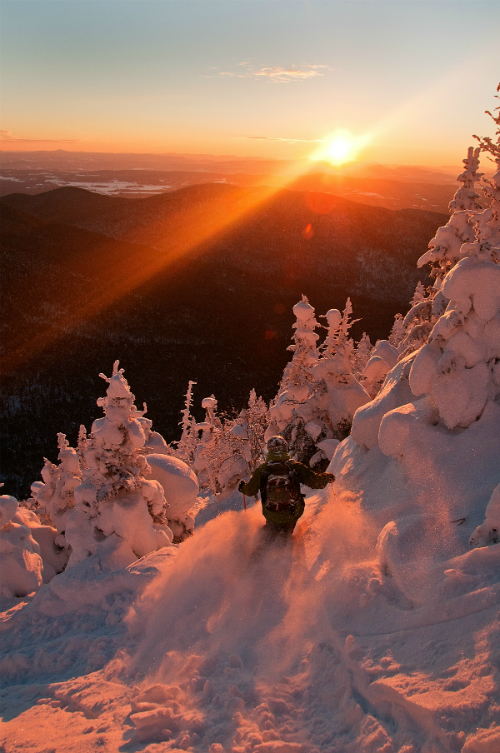
Source: VNRC 5.5.2015. Photos: The Pump House Waterpark at Jay Peak and dawn patrol skiing, courtesy photos.