

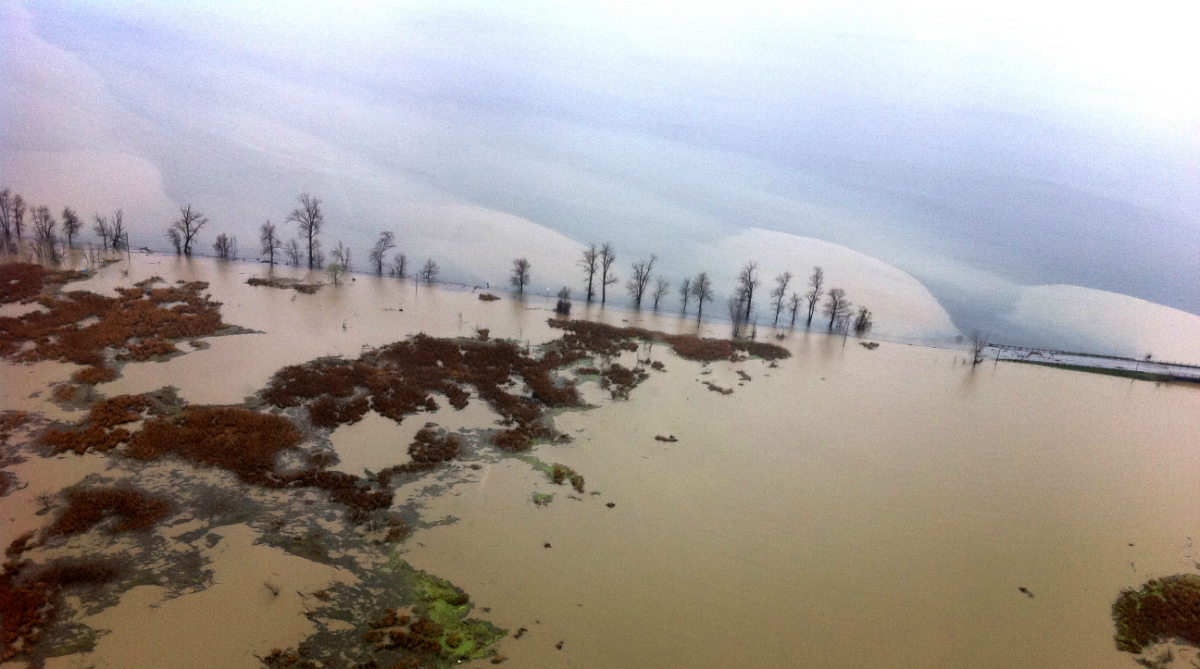
Vermont environmentalists today commended the Vermont House in beginning to advance broad clean water legislation aimed at cutting pollution flowing into Lake Champlain and other water bodies. Today the House Fish, Wildlife and Water Resources Committee gave final approval to H35, known as the Clean Water bill, on a 7-2 vote. Still in the early stages of passage through the Legislature, the bill has several remaining committee stops in the House. It then has to clear the Senate before heading to the governor’s desk.
“We thank the committee for their hard work and are pleased to see the water quality bill, H35, pass out of its initial committee with a strong vote,” said Vermont Conservation Voters Political Director Lauren Hierl. She noted that the bill contains essential steps the state must to take to meet obligations to clean up Lake Champlain. “We’re glad to see progress, but we’ll keep pushing to make the bill even more protective of water quality as it continues through the Legislature.”
“The committee has taken an important first step toward a clean Lake Champlain. Anything less will simply assure that the foul conditions in the Lake will continue,” said Christopher Kilian, Vermont Director of Conservation Law Foundation. “We look forward to working through the legislative process to strengthen the bill and realize the Governor’s vision for clean water.”
“The Sierra Club is very happy that the state is finally addressing the water quality problems that have been affecting Vermont's waters for too long,” said Mark Nelson, chair, Vermont Chapter of the Sierra Club. “We thank the committee for their hard work to try to write a strong water quality bill. It is important that everyone realize that enforcement and funding is critical to improving water quality across the state. We will continue to work with other environmental leaders to make the bill strong enough to ensure that we have cleaner waters across the state.”
“We don't have to look far to see the devastating impact of poor water quality on our communities, economy and quality of life. Last summer Missisquoi Bay, St Albans Bay, and Lake Carmi all suffered from extensive blue-green algae blooms that inhibited use, threatened public health and had reverberating economic effects,” said Lori Fisher, Lake Champlain Committee Executive Director. “This bill is an important move to reverse the trend. We hope it will be strengthened so we can reclaim the health of polluted waterways and protect high quality waters throughout the state.”
Among other provisions, the bill gives the Agency of Natural Resources and the Agency of Agriculture new powers and new funding to implement and enforce clean water laws.
Source: VNRC 2.20.2015. VERY TOP PHOTO: Silt flows into Lake Champlain during spring flooding, May 2011.