

Nutrient Management Plans or NMPs, which help farms optimize yield goals, minimize inputs and prevent runoff into streams, rivers and lakes, are legally required by both large and medium farms throughout Vermont. With the legislative session underway, and water quality a top priority for many Vermont leaders, new legislation being proposed could see small farms, of which there are thousands and which range from dairy to diversified, become required to create and implement a nutrient management plan.
 Farms across Vermont are working with their Conservation Districts (NRCDs) and their local Natural Resource Conservation Service (NRCS) staff to get ahead of legislation by taking a five week course led by UVM Extension on creating their Nutrient Management Plans. In light of discussions with the Environmental Protection Agency (EPA) about Lake Champlain’s Total Maximum Daily Load (TMDL) for phosphorus and steps the State is taking to address the issue, farms have come under scrutiny for both historical and current approaches to farming. What little is known outside of the agricultural community is that Accepted Agricultural Practices (AAPs) exist for all farms to follow, and many farmers have soil and water conservation at heart. Unfortunately those who do not follow the AAPs and routinely contribute to poor water quality are the ones that make headlines.
In Berlin, farmers from Chittenden, Washington and Orange Counties are joining counterparts across the state in learning through both webinar and on-hand from Extension Agronomists about how to develop their NMPs. By evaluating everything from soil and manure results to the history of the soil that is cultivated or grazed, farmers are learning from real Vermont examples on how to best address retaining nutrients on their land and when and how much manure or other inputs to spread at the optimum time. This is a current example of how farmers are taking the time to evaluate the way they work their land and analyze what might be changed to benefit both agronomics and protect waterways. In some cases, this might mean changing the way a farmer’s system has worked for several years and in other cases, trying new things out. In either case, it’s a huge investment by farmers on top of an already endless day of chores and ‘dance’ with Mother Nature. All this is done in addition to providing our wider community with good, local food.
Conservation Districts initiated outreach to small livestock farmers about NMPs last winter through funding from the Agricultural Outreach Initiative, a Vermont Association of Conservation Districts (VACD) program funded by the Agency of Agriculture. Conservation District staff undertook limited soil and manure sampling for farms this past summer that elected to enroll in a NMP class. A NMP ‘101’ class held in the fall introduced farmers to the components of a Nutrient Management Plan, while the full NMP course, set to wrap up this week, leads farmers through the full development and future steps for implementation of a NMP.
Conservation Districts are constantly reaching out to landowners, farmers, foresters and partners to help bridge gaps in information and funding to provide soil and water conservation throughout Vermont. For more information about the Agricultural Outreach Initiative or to learn about what you can do to improve the water quality of your local waterways, contact Sophie Sauvé at the Winooski Conservation District at 802-828-4493 x110 or [email protected]or your local Conservation District www.vacd.org.
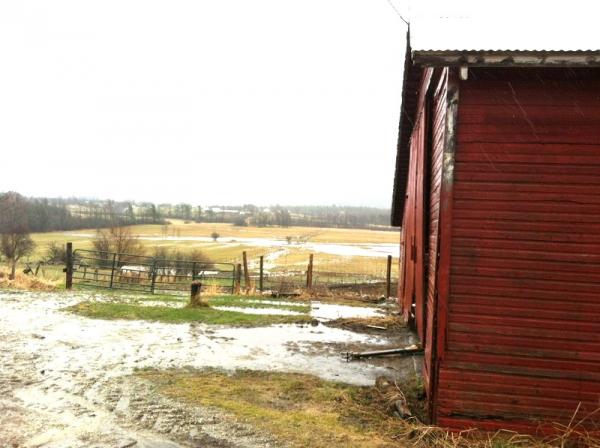
Source:Winooski Conservation District 2.5.2015. Vermont Business Magazine photo.