

by Campaign for Vermont Vermont’s carpenters and woodworkers understand the common sense value of the saying, “measure twice, and cut once”. Sloppy preparation wastes both valuable resources and time, they know. Campaign for Vermont urges legislative leaders to “measure twice, and cut once” when it comes to education funding reform. With over $1.5 billion in taxpayers’ funds at stake as well as the education of our children, hastily and poorly crafted proposals can do more harm than good.
During the last legislative session, after numerous school budgets had been defeated, the legislature, with the support of the Secretary of Education, slapped together a school reform proposal (H.883) that essentially neutered Vermont’s local school districts in favor of larger consolidated school districts. Yet, the value of this proposal to both Vermont’s students and taxpayers remains unproven. Fortunately, that proposal did not become law.
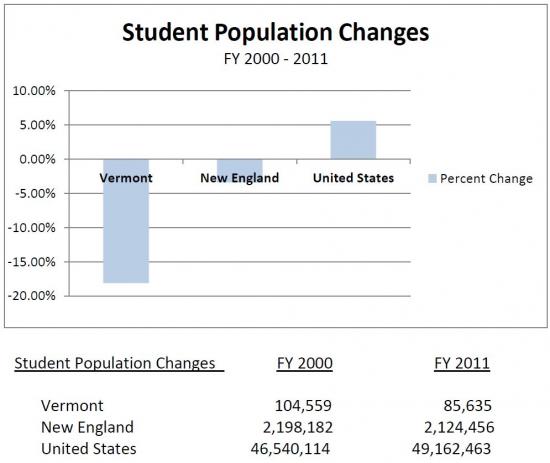
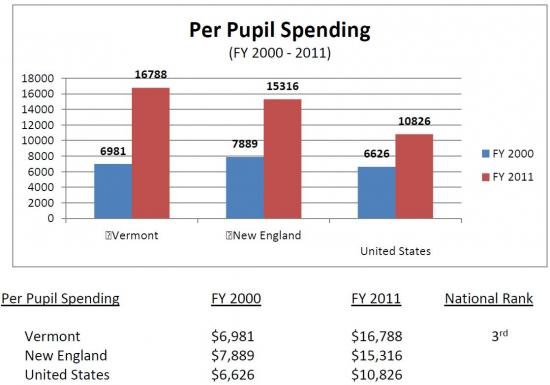
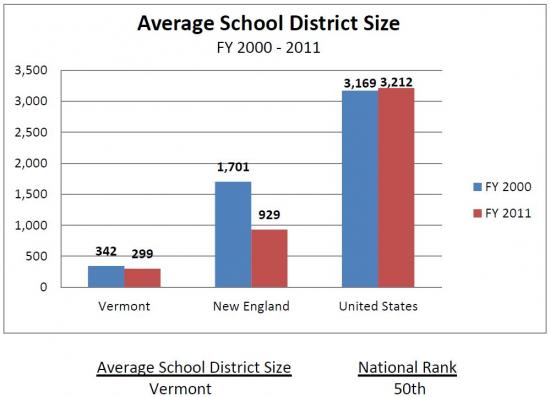
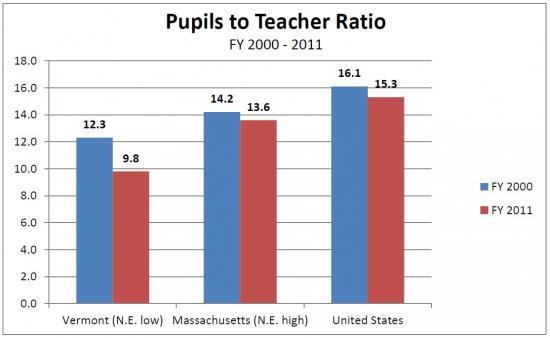
 In the face of needed reforms in Vermont’s education funding system, Campaign for Vermont has consolidated available data from the Agency of Education and Tax Department to conduct a data driven analysis of school spending and student outcomes in Vermont. This concise 11-page analysis can be found at CampaignForVermont.org. Vermont education spending on a per pupil basis is among the highest, not only in the United States, but in the world. We hope this data driven approach will be adopted by our legislative and education leaders so that Vermonters get the best in the world education for which they are paying at the most affordable possible cost.
Campaign for Vermont’s analysis found the following:
· School district wealth is no longer a predictor of district per pupil spending.
· School district spending per pupil is not a predictor of student outcomes as measured by student NECAP test scores.
· School district size is not a predictor of student outcomes as measured by student NECAP test scores.
· School district wealth, as measured by median income and “free and reduced lunch” participation, is a partial predictor of student NECAP outcomes, keeping in mind that district spending per pupil is now disconnected from district wealth under Brigham, Act 60 and Act 68.
The above findings affirm the findings of the legislature’s PICUS REPORT that Vermont’s school funding system is equitable. However, the above findings challenge the notions that more school spending or school district consolidation will lead to better outcomes for students or a more cost effective school funding system.
The report suggests that legislators, educators and advocates for reform look to enhance the proven characteristics that do drive strong educational outcomes for students, and possibly leverage investments in human services programs to mirror such characteristics. Further the report suggests that legislative and education leaders develop data sets that can be used to further guide decision makers, such as the recommendations of the PICUS REPORT relative to the talent of educators and school leadership. Campaign for Vermont’s position on education reform can be found here.